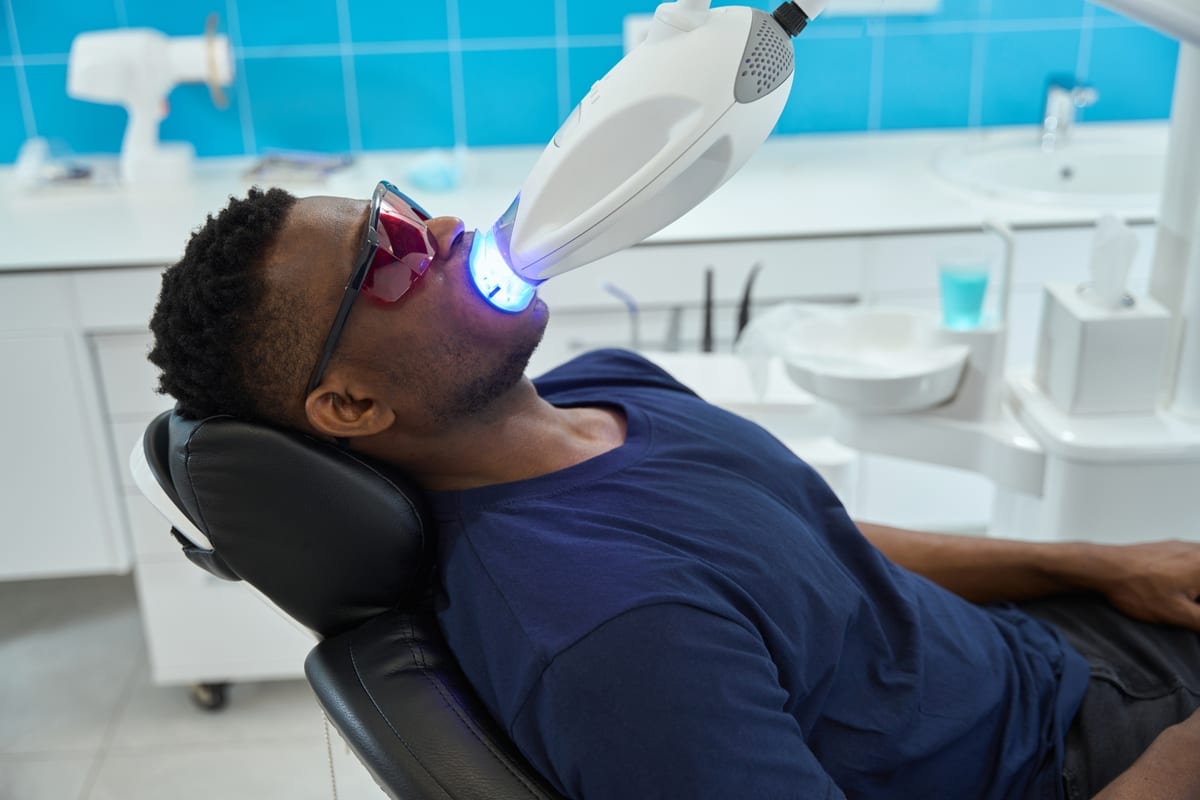
If your jaw clicks, aches, or locks up, you may be wondering what happens during a TMJ diagnosis appointment in Jacksonville. Many patients feel anxious because they simply don’t know what to expect. At Baymeadows Park Dental, Dr. Franklin Rios walks every patient through each step. Understanding the process makes the visit much less intimidating.
TMJ stands for temporomandibular joint — the hinge connecting your jaw to your skull. Problems with this joint can cause pain, headaches, and difficulty chewing. A proper diagnosis is the foundation of effective treatment. Without it, symptoms often get worse over time.
What Happens During Your First TMJ Evaluation in Jacksonville
Your appointment begins with a detailed conversation about your symptoms. Dr. Rios will ask about pain location, frequency, and what triggers it. He will also review your medical and dental history carefully. This background gives important context before any physical exam begins.
Next comes a hands-on clinical exam. Dr. Rios will gently press on the jaw joints and surrounding muscles. He checks for tenderness, swelling, and any unusual sounds like clicking or popping. This part of the exam helps pinpoint whether the issue is muscular, joint-related, or both.
You will also be asked to open and close your mouth several times. Dr. Rios observes the range of motion and notes any deviation in jaw movement. Limited movement or uneven motion is a key diagnostic signal. These simple observations provide valuable clinical data.
Bite Analysis: A Critical Part of the TMJ Diagnosis Process
Your bite plays a major role in TMJ disorders. Dr. Rios will evaluate how your upper and lower teeth come together. A misaligned bite places uneven pressure on the jaw joint. Over time, this stress can trigger or worsen TMJ symptoms.
During the bite analysis, you may bite down on thin articulating paper. This paper marks exactly where your teeth make contact. Dr. Rios reviews those contact points to spot imbalances. Even small bite discrepancies can have a big impact on joint health.
He may also check for signs of bruxism, which is teeth grinding. Worn enamel, flattened cusps, or cracked teeth are common indicators. Bruxism and TMJ disorders often occur together. Identifying both conditions helps create a more complete treatment plan.
- Jaw tenderness and muscle tightness assessment
- Range of motion measurement during opening and closing
- Bite contact mapping with articulating paper
- Evaluation of worn or cracked teeth linked to grinding
- Observation of jaw deviation during movement
Imaging and Technology Used in TMJ Diagnosis
A clinical exam alone does not always reveal the full picture. Dr. Rios uses dental imaging to see structures that are not visible to the naked eye. X-rays can show the position of the jaw joint and reveal any bone changes. This step adds precision to the diagnosis.
In some cases, cone beam CT imaging may be recommended. This technology creates a three-dimensional view of the jaw joint. It gives Dr. Rios a much clearer look at joint anatomy. Three-dimensional imaging is especially helpful for complex or long-standing TMJ cases.
Digital imaging also allows Dr. Rios to compare jaw joint symmetry on both sides. Asymmetry between the left and right joints can be diagnostically significant. Imaging results are reviewed with you during the same appointment when possible. Transparency throughout the process is a priority at Baymeadows Park Dental.
- Standard dental X-rays to assess joint position
- Cone beam CT scans for detailed three-dimensional views
- Symmetry comparison of both jaw joints
- Digital records stored for ongoing treatment monitoring
How Diagnosis Connects to Your TMJ Treatment Plan
Once Dr. Rios completes the evaluation, he reviews all findings with you. He explains what the exam, bite analysis, and imaging revealed. You will have a clear understanding of what is causing your symptoms. There will be no confusing jargon — just straightforward information.
TMJ treatment varies depending on the diagnosis. Mild cases may respond well to a custom night guard or bite adjustment. More advanced cases may involve physical therapy exercises or other interventions. The treatment plan is always tailored to your specific findings.
For patients who also have tooth damage related to TMJ, restorative options may be discussed. Restorative Dentistry can address structural damage caused by grinding or bite problems. For example, Dental Crowns may be recommended to restore worn or cracked teeth. These restorations also help re-establish a healthier bite alignment.
Dr. Rios takes a conservative approach to TMJ care. He focuses on treating the root cause, not just managing symptoms. The goal is long-term relief and improved jaw function. Patients leave the appointment with a clear plan and next steps.
What to Bring to Your TMJ Diagnosis Appointment
Being prepared helps the appointment go smoothly. Bring a list of any medications you currently take. Note when your symptoms started and what makes them better or worse. This information helps Dr. Rios build a complete picture of your condition.
If you have had previous dental X-rays taken elsewhere, bring them if possible. Prior imaging can save time and provide useful comparison data. Also write down any questions you want to ask. There are no wrong questions when it comes to your jaw health.
Schedule Your TMJ Evaluation at Baymeadows Park Dental
Living with jaw pain, headaches, or clicking joints does not have to be your normal. A thorough diagnosis is the first step toward real, lasting relief. Dr. Franklin Rios and the team at Baymeadows Park Dental are here to help Jacksonville patients get answers. Book Now to schedule your appointment with our team.
Frequently Asked Questions
How long does a TMJ diagnosis appointment typically take?
Most TMJ evaluation appointments at Baymeadows Park Dental take between 45 minutes and one hour. The time includes a symptom review, clinical exam, bite analysis, and imaging if needed. Dr. Rios also reviews his findings with you before you leave. Arriving a few minutes early helps the visit start on time.
Is a TMJ diagnosis appointment painful?
The evaluation is generally comfortable and non-invasive. Dr. Rios applies gentle pressure to the jaw joints and muscles to check for tenderness. Some patients feel mild soreness during palpation if inflammation is present. The goal is always to make the exam as comfortable as possible.
Can TMJ be diagnosed with X-rays alone?
X-rays are a useful part of the diagnosis but not the only tool. Dr. Rios combines imaging with a clinical exam and bite analysis for a complete picture. Cone beam CT scans may be added for more complex cases. Multiple data points lead to a more accurate and reliable diagnosis.
What is the difference between TMJ and TMD?
TMJ refers to the temporomandibular joint itself — the hinge connecting your jaw to your skull. TMD stands for temporomandibular disorder, which describes the range of problems affecting that joint. Most people use the term TMJ loosely to describe the disorder. At your appointment, Dr. Rios will clarify exactly what condition is affecting your jaw.
Will I receive a treatment plan at the same appointment?
In most cases, yes. Once Dr. Rios reviews all exam findings and imaging, he discusses treatment options with you at the same visit. Some complex cases may require a follow-up appointment for a more detailed plan. Either way, you will leave with a clear understanding of your diagnosis and next steps.