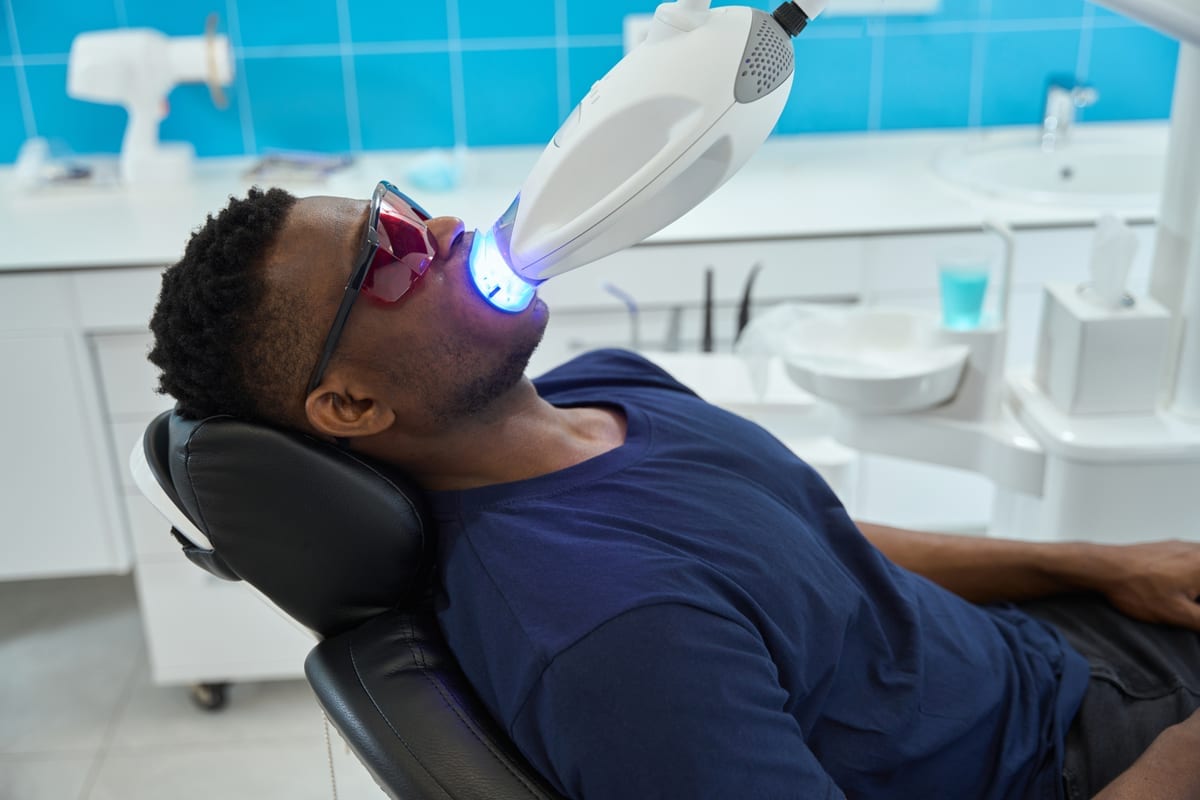
Teeth whitening sensitivity is one of the most common concerns patients raise at Baymeadows Park Dental. If you live in Jacksonville and have been curious about brightening your smile, you may worry about discomfort during or after treatment. Understanding teeth whitening sensitivity — why it happens and how to prevent it in Jacksonville — can help you make a confident, informed decision. Dr. Franklin Rios and our team are here to walk you through everything you need to know.
What Causes Teeth Whitening Sensitivity?
Whitening products use peroxide-based agents to lift stains from tooth enamel. These agents temporarily open tiny pores in the enamel called dentinal tubules. Once open, stimuli like cold air or water can reach the nerve more easily. That is what creates the sharp or achy feeling many people describe.
The level of sensitivity depends on several factors. Higher peroxide concentrations tend to cause more discomfort. Pre-existing enamel erosion or gum recession can also increase sensitivity. Patients with naturally thin enamel are often more prone to noticing it after treatment.
It is important to note that this sensitivity is almost always temporary. Most patients feel relief within 24 to 48 hours after their whitening session. Knowing the cause helps you prepare — and helps your dentist tailor the safest approach for your specific smile.
How Dentists Minimize Sensitivity During Professional Whitening in Jacksonville
Professional whitening in a dental office is different from over-the-counter strips or trays. Dr. Franklin Rios takes a thorough look at your oral health before recommending any whitening protocol. This step matters more than most patients realize.
Before beginning treatment, our team checks for issues that could amplify sensitivity. Cracked teeth, cavities, or exposed roots need to be addressed first. In some cases, Restorative Dentistry Jacksonville services may be recommended to repair damage before whitening begins. Treating underlying problems first protects your comfort during the whitening process.
During in-office whitening, several techniques reduce the risk of sensitivity:
- Using a lower-concentration peroxide gel for patients with sensitive teeth
- Applying a desensitizing agent to the teeth before or after whitening
- Limiting the duration of each whitening session
- Using custom-fitted trays that protect gum tissue from gel contact
- Scheduling follow-up sessions rather than over-treating in one visit
These precautions make professional whitening significantly more comfortable than many patients expect. Your dentist controls the variables — and that control makes a real difference.
What You Can Do at Home to Prevent Whitening Sensitivity
Your habits before and after whitening play a big role in your comfort level. A few simple steps can dramatically reduce the discomfort you experience. Dr. Franklin Rios recommends starting these practices at least a week before your scheduled whitening appointment.
Here are practical steps you can take at home:
- Switch to a toothpaste formulated for sensitive teeth at least one week before treatment
- Avoid very hot or cold foods and drinks for 48 hours after whitening
- Use a soft-bristled toothbrush to avoid irritating enamel
- Avoid highly acidic foods like citrus and vinegar-based dressings the day of treatment
- Ask your dentist about fluoride rinses to strengthen enamel before whitening
Over-the-counter desensitizing gels containing potassium nitrate can also help. Apply them in a thin layer before bed. This ingredient calms the nerve response inside the tooth and reduces that sharp, reactive pain.
If you use at-home whitening trays provided by your dentist, wear them for shorter sessions at first. Gradually increase the time as your teeth adjust. Never exceed the recommended wear time, as longer exposure increases sensitivity risk.
When Sensitivity Is a Sign of Something More
Most whitening sensitivity is mild and short-lived. However, some patients experience more intense or persistent discomfort. If your pain lasts longer than 72 hours after whitening, it is worth calling your dentist. Lingering sensitivity could indicate an underlying issue that needs attention.
Cracked teeth are one common culprit. A crack allows whitening agents to penetrate deeper into the tooth structure. This can cause sharp pain that feels more localized than typical sensitivity. In cases like this, a Dental Crowns Jacksonville consultation may be the right next step to protect the tooth.
Gum disease can also intensify sensitivity during whitening. When gum tissue recedes, the root surface becomes exposed. Roots do not have enamel to protect them, so peroxide contact with this area can be quite uncomfortable. Treating gum disease before whitening ensures a healthier, more comfortable experience.
Never push through severe pain during whitening. Stop the treatment and reach out to Dr. Franklin Rios. Our team at Baymeadows Park Dental in Jacksonville is always available to help you troubleshoot and find a solution that works for your smile.
Is Professional Whitening Right for You?
Not every patient is an ideal candidate for whitening, and that is completely okay. Patients with severe sensitivity, significant enamel erosion, or active dental disease may need to address those concerns first. Your comfort and oral health always come before cosmetic goals.
For patients who are good candidates, professional whitening offers meaningful advantages over store-bought alternatives. Results are faster, more even, and more controlled. Your dentist monitors your response throughout the process. And if sensitivity does occur, you have immediate professional support — not just a product label to read.
Jacksonville residents who want a brighter smile deserve a process that feels safe and comfortable. That is exactly what Dr. Franklin Rios and the Baymeadows Park Dental team prioritize with every whitening patient.
Conclusion
Teeth whitening sensitivity is very manageable with the right preparation and professional guidance. Understanding why it happens — and what both you and your dentist can do to prevent it — removes a lot of the anxiety around treatment. At Baymeadows Park Dental in Jacksonville, we approach every whitening case with a thorough assessment and a personalized plan. Book Now to schedule your appointment with our team.
Frequently Asked Questions
How long does teeth whitening sensitivity last?
Most patients experience sensitivity for 24 to 48 hours after a whitening treatment. In some cases, mild discomfort may linger up to 72 hours. If pain persists beyond that, contact your dentist for an evaluation.
Can I whiten my teeth if I already have sensitive teeth?
Yes, in many cases you can still whiten your teeth safely. Your dentist will recommend a lower-concentration gel and may have you use desensitizing toothpaste beforehand. A personalized approach makes whitening achievable even for patients with naturally sensitive teeth.
Is professional whitening safer than whitening strips for sensitive teeth?
Professional whitening is generally safer for sensitive teeth because your dentist controls the concentration, application time, and protective measures. Over-the-counter strips offer no such customization, which increases the risk of uneven results and unnecessary sensitivity.
What foods should I avoid after teeth whitening?
Avoid very hot or cold beverages, acidic foods like citrus fruits, and dark-pigmented foods such as coffee, red wine, and berries for at least 48 hours after whitening. These can aggravate sensitivity and may also stain your freshly whitened teeth.
How often can I safely whiten my teeth?
Most dentists recommend waiting at least six months between professional whitening treatments. Whitening too frequently can weaken enamel over time and increase sensitivity. Your dentist will advise the best schedule based on your individual oral health needs.