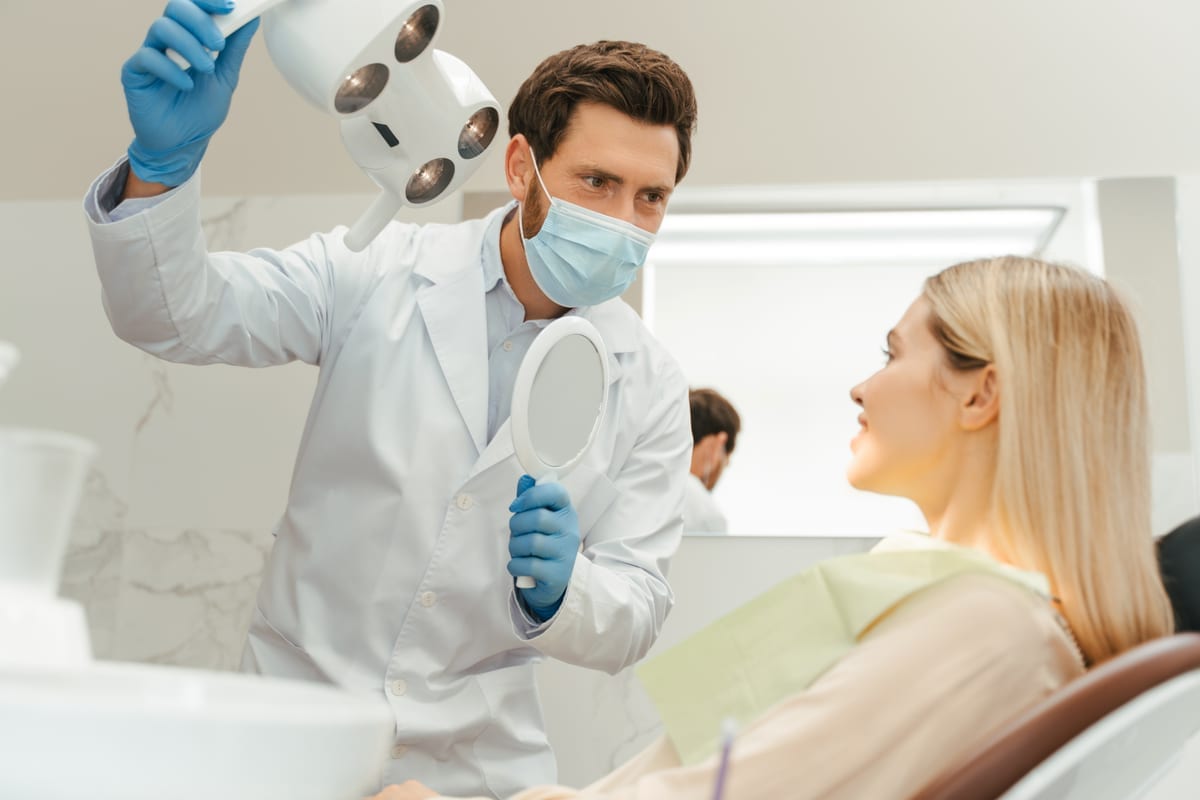

If you’ve been living with chronic headaches in Jacksonville, you may have tried everything. You’ve taken pain relievers. You’ve cut back on caffeine. You’ve even tried reducing stress. But what if your headaches aren’t coming from your head at all? Your chronic headaches might actually be a jaw problem Jacksonville residents often overlook — a condition called TMJ disorder. At Baymeadows Park Dental, Dr. Franklin Rios helps patients uncover this surprising but common connection every day.
What Is TMJ and Why Does It Cause Headaches?
TMJ stands for temporomandibular joint. This is the hinge that connects your jaw to your skull. You have one on each side of your face, just in front of your ears.
When these joints are stressed or misaligned, the surrounding muscles work overtime. That constant muscle tension spreads upward into your temples, forehead, and neck. The result? Headaches that feel exactly like tension headaches or even migraines.
Many patients never connect the two. They see a neurologist or a primary care doctor. Nobody checks the jaw. Meanwhile, the real cause goes untreated for months or even years.
Signs Your Headaches Might Actually Be a Jaw Problem
Not every headache comes from TMJ. But certain patterns point strongly toward a jaw-related cause. If you recognize these signs, it’s worth talking to a dentist who understands TMJ disorders.
- Headaches that start near the temples or behind the eyes
- Pain that’s worse in the morning after sleeping
- A clicking or popping sound when you open your mouth
- Jaw soreness or stiffness when you wake up
- Pain that increases when you chew or clench your teeth
- Earaches with no sign of infection
- Neck or shoulder tension that accompanies the headache
Morning headaches are especially telling. If your jaw clenches or your teeth grind during sleep, the muscles stay tense all night. By morning, that tension has already built into a full headache. Many patients describe waking up feeling like they never rested at all.
How a Dentist in Jacksonville Can Diagnose the Connection
Diagnosing TMJ-related headaches requires a careful dental evaluation. Dr. Rios examines the jaw joints, bite alignment, and surrounding muscle groups. He looks for signs of wear on your teeth, which often indicate grinding or clenching habits.
He also asks detailed questions about your headache patterns. When do they happen? How long do they last? Do they come with jaw pain or stiffness? These details help distinguish TMJ headaches from other types.
In some cases, dental imaging helps reveal joint problems that aren’t visible during a standard exam. This thorough approach means fewer missed diagnoses. Jacksonville patients often tell us they finally have an answer after years of searching.
Treatment doesn’t always require complex procedures. Many TMJ cases respond well to conservative care. Custom oral appliances, bite adjustments, and targeted exercises can bring significant relief. For patients whose jaw problems have affected their teeth, Restorative Dentistry Jacksonville options may also be part of the plan.
Common TMJ Treatments That Reduce Headache Frequency
Treatment depends on what’s driving the jaw problem. Dr. Rios creates personalized plans rather than using a one-size-fits-all approach. Here are some of the most effective options available at Baymeadows Park Dental.
- Custom Night Guards: These oral appliances prevent teeth grinding during sleep. They reduce the muscle strain that triggers morning headaches.
- Bite Adjustment: Correcting how your upper and lower teeth meet can relieve pressure on the jaw joints.
- Jaw Exercises and Physical Therapy: Stretching and strengthening exercises help retrain overworked muscles.
- Dental Restorations: Worn-down or damaged teeth can throw off your bite. Restoring them brings the jaw back into balance. Dental Crowns Jacksonville patients receive can rebuild tooth structure and improve bite alignment.
- Lifestyle Modifications: Reducing jaw strain through diet changes and stress management supports overall treatment.
Most patients notice improvement within a few weeks of starting treatment. Some see results even sooner. The goal is not just to mask the pain but to address what’s actually causing it.
The Link Between TMJ and Sleep Apnea in Jacksonville Patients
Here’s something many people don’t realize. TMJ disorders and sleep apnea often occur together. Both involve the airway and jaw positioning during sleep. Grinding your teeth at night can actually be a sign that your body is struggling to breathe properly.
If you wake up with headaches, fatigue, and a sore jaw, sleep apnea may be playing a role. Dr. Rios screens for this connection during TMJ evaluations. Treating both conditions together often leads to far better outcomes than treating them separately.
Jacksonville patients who snore loudly or feel exhausted despite a full night’s sleep should mention this during their appointment. The overlap between TMJ and sleep issues is more common than most people expect.
Why Jacksonville Patients Choose Baymeadows Park Dental for TMJ Care
Baymeadows Park Dental offers a full range of services under one roof. Dr. Franklin Rios brings both expertise and genuine care to every patient interaction. He takes the time to listen, explain, and create a plan that actually fits your life.
You don’t have to keep guessing what’s causing your headaches. A thorough dental evaluation can provide answers you may have been looking for a long time. Our team in Jacksonville is here to help you get real relief.
- Comprehensive TMJ evaluation from an experienced dentist
- Custom treatment plans tailored to your specific symptoms
- Gentle, judgment-free care for patients of all ages
- Same-location access to restorative and preventive dental services
- A friendly team that explains everything in plain language
Living with chronic headaches doesn’t have to be your normal. If your jaw is the source, the right dental care can change everything. Book Now to schedule your appointment with our team.
Frequently Asked Questions
Can a dentist really treat chronic headaches?
Yes, when headaches are caused by jaw problems like TMJ disorder, a dentist is exactly the right provider to see. Dr. Rios specializes in diagnosing and treating jaw-related pain, including headaches that result from teeth grinding, bite misalignment, or joint dysfunction.
How do I know if my headaches are from TMJ or something else?
TMJ headaches often start near the temples and are worst in the morning. They frequently come with jaw soreness, clicking sounds, or neck tension. A dental evaluation can help determine whether your jaw is contributing to your symptoms.
Is TMJ treatment painful?
Most TMJ treatments are non-invasive and comfortable. Custom night guards and bite adjustments involve no surgery or discomfort. Dr. Rios takes a conservative approach first and always explains your options before beginning any treatment.
How long does it take to feel relief from TMJ headaches?
Many patients notice improvement within a few weeks of starting treatment. Individual results vary based on the severity of the condition and how well the treatment plan is followed. Consistent use of a night guard and any prescribed exercises speeds up recovery significantly.
Does teeth grinding always cause headaches?
Not always, but it’s a very common trigger. Grinding puts enormous pressure on the jaw joints and surrounding muscles. Over time, that muscle strain often radiates as headache pain. Addressing the grinding habit is frequently enough to reduce or eliminate headache frequency.