
Dental Sealants in Baymeadows, FL
Dental Sealants Near You
Even with good brushing and flossing, the deep grooves on back teeth can trap food and bacteria that are difficult to remove. Dental sealants create a protective barrier over these areas to help reduce the risk of cavities. At Baymeadows Park Dental, we provide dental sealants in Baymeadows, FL, for children, teens, and adults when appropriate.
If you are looking for dental sealants near you, our team can evaluate your teeth or your child’s teeth to determine whether sealants would provide useful protection. We explain the treatment clearly and make preventive visits as comfortable and straightforward as possible.

What Are Dental Sealants?
Dental sealants are thin protective coatings placed over the pits and grooves on the chewing surfaces of back teeth. These areas can trap food particles and bacterial plaque, increasing the risk of tooth decay.
Sealants create a barrier that helps protect these vulnerable surfaces. They are commonly used on molars and may be recommended for both primary and permanent teeth depending on cavity risk and tooth anatomy.
Before recommending treatment, our dentist in Baymeadows, FL, examines the teeth and considers factors such as the depth of the grooves, cavity risk, and existing tooth condition. Sealants are often used on healthy teeth, but they may also be appropriate for certain early, noncavitated areas of decay.
Who May Benefit from Dental Sealants?
Dental sealants are especially useful for teeth with deep pits and grooves that are difficult to keep clean.
They may be recommended for:
Children with newly erupted molars
Sealants can protect vulnerable chewing surfaces soon after the teeth come in.
Teens with cavity-prone back teeth
Molars with deep grooves may benefit from additional protection.
Certain primary teeth
Sealants may be considered for baby teeth with deep grooves or a higher risk of decay.
Adults with cavity-prone grooves
Some adults may benefit if the chewing surfaces of their back teeth remain suitable for sealants.
Patients at higher risk of tooth decay
Individual cavity risk can help determine whether sealants are appropriate.
Sealants are only one part of cavity prevention. Brushing with fluoride toothpaste, cleaning between the teeth, regular dental visits, and healthy dietary habits remain important.
What Are the Benefits of Dental Sealants?
For suitable patients, potential benefits include:
Cavity protection
Sealants create a physical barrier over pits and grooves where decay commonly begins.
Preventive care
They can help protect vulnerable tooth surfaces before you need more extensive treatment.
Protection for several years
Sealants can stay effective for years, although they need regular checks for wear or damage.
Simple application
Placing sealants is generally quick and usually does not require drilling or local anesthetic.
Support for children’s oral health
Sealants can provide added protection during cavity-prone years.
Easy ongoing care
You can continue brushing and cleaning your teeth normally after sealant placement.
If you or your child has deep grooves in the back teeth or a higher risk of cavities, visit a dentist near you to determine whether sealants may be helpful.
What Happens During Dental Sealant Treatment?
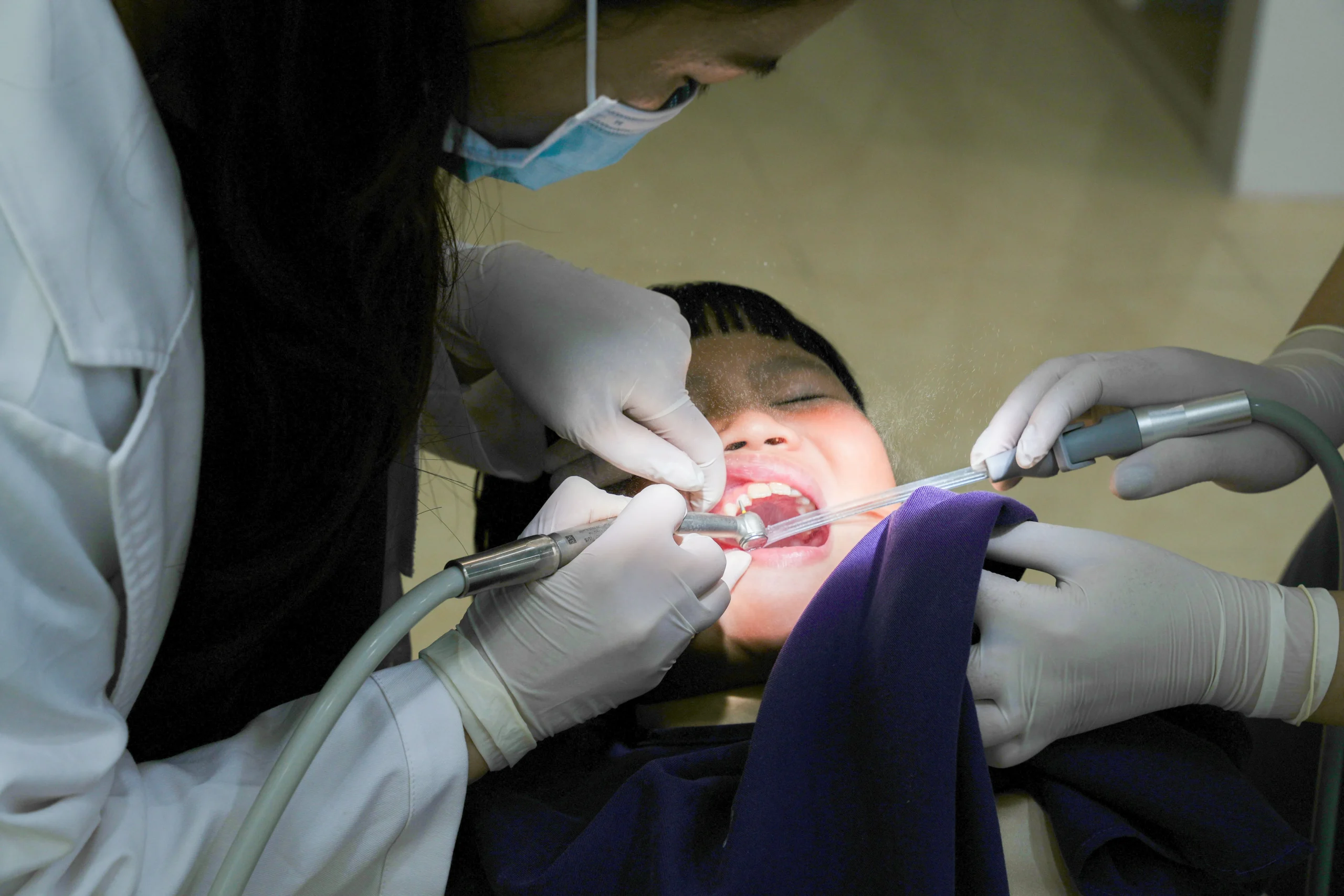
Dental sealant placement is usually a straightforward process. At Baymeadows Park Dental, treatment may include:
Examining the teeth
We check the tooth surfaces and determine whether sealants are appropriate.
Cleaning the teeth
We remove plaque and debris from the surfaces being treated.
Keeping the tooth dry
We isolate the tooth so moisture does not interfere with bonding.
Preparing the surface
We apply a conditioning solution to help the sealant bond to the tooth.
Applying the sealant
The material flows into the pits and grooves of the chewing surface.
Hardening the material
Depending on the type of sealant, it may set on its own or be hardened with a curing light.
Checking the sealant
We make sure the material has set properly and that your bite feels comfortable.
Monitoring it over time
We check sealants during future dental visits and repair or replace them if needed.
Sealants work alongside regular oral hygiene rather than replacing brushing, flossing, fluoride, or routine dental care.
Why Choose Baymeadows Park Dental for Dental Sealants?
Patients and families choose us for dental sealants in Baymeadows, FL, because we offer:
More than 20 years of local care
Our practice has served Jacksonville and the First Coast area since 2004 under Dr. Franklin Rios.
Family-focused dentistry
We provide preventive care for children, teens, adults, and multiple generations of families.
A gentle approach
Our “Modern Dentistry with a Gentle Touch” philosophy reflects our focus on comfortable, non-intimidating visits.
Preventive technology
DIAGNOdent, digital X-rays, and intraoral cameras can support cavity detection and oral-health evaluation when appropriate.
Comprehensive preventive care
Regular checkups, cleanings, fluoride treatments, sealants, and other preventive services are available within the practice.
Personalized recommendations
We consider individual cavity risk, tooth anatomy, and oral health before recommending sealants.
Options for patients without insurance
Our in-house membership plan can help uninsured patients access ongoing preventive dental care.
New-patient offer
Our practice promotes a $139 new-patient exam, cleaning, and X-rays offer. Ask our team about current details and eligibility.
Schedule Your Dental Sealant Appointment
If you want to know whether sealants could provide added cavity protection for you or your child, we can help.
If you are looking for dental sealants near you, contact Baymeadows Park Dental to schedule an appointment. We can evaluate the teeth and determine whether sealants are appropriate.
FAQs
Are dental sealants only for children?
No. Sealants are commonly recommended for children and teens, but certain adults may also benefit depending on the condition of their teeth, the depth of the grooves, and their cavity risk.
How long do dental sealants last?
Sealants can protect teeth for several years, but they may wear or chip over time. We check them during regular dental visits and can repair or replace them when needed.
Does getting dental sealants hurt?
Sealant placement is generally comfortable and usually does not require drilling or local anesthetic. We clean and prepare the tooth before applying the protective material.
Can you put a sealant over an early cavity?
In some cases, yes. Sealants may be used over certain early, noncavitated areas of decay in the pits and grooves of a tooth to help stop progression. We examine the tooth first to determine whether a sealant or another treatment is appropriate.
Do dental sealants replace brushing and flossing?
No. Sealants protect specific chewing surfaces but do not protect every part of the tooth. Daily brushing, cleaning between the teeth, fluoride exposure, healthy dietary habits, and regular dental visits remain important.