
Occlusal Disease Treatment in Baymeadows, FL
Occlusal Disease Treatment Near You
Worn, chipped, or sensitive teeth can sometimes result from excessive forces from clenching, grinding, or how the teeth contact during function. At Baymeadows Park Dental, we provide occlusal disease treatment in Baymeadows, FL, to evaluate these concerns, protect affected teeth, and improve comfort when appropriate.
If you are looking for occlusal disease treatment near you, our team begins by identifying what may be contributing to your symptoms. Because tooth wear, jaw discomfort, headaches, and sensitivity can have different causes, a careful evaluation helps us determine whether your bite, grinding or clenching habits, damaged teeth, or another condition may be involved.
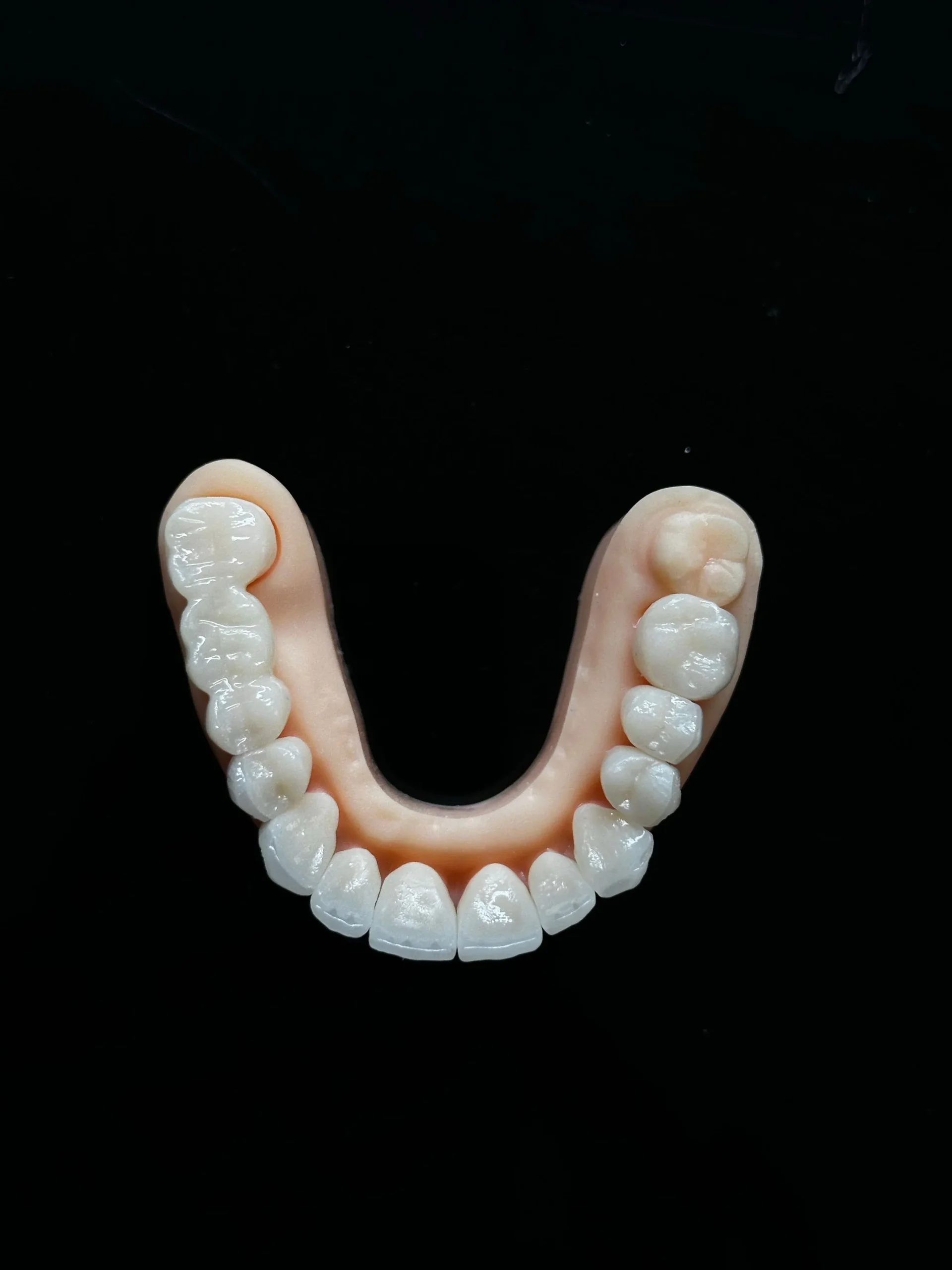
What Is Occlusal Disease Treatment?
The term occlusal disease is used to describe problems associated with excessive or unfavorable forces on the teeth and supporting structures. These forces may contribute to tooth wear, cracks, sensitivity, damaged restorations, or muscle discomfort in some patients.
Clenching and grinding, also known as bruxism, can place repeated pressure on the teeth. However, not every patient with tooth wear or jaw discomfort has the same underlying cause, and an uneven bite does not automatically mean you have a temporomandibular disorder.
At Baymeadows Park Dental, we evaluate your teeth, restorations, bite, jaw function, and symptoms before recommending treatment. Our dentist in Baymeadows, FL, can then explain what we find and whether protective, restorative, or other care may be appropriate.
When Might You Need Occlusal Evaluation or Treatment?
You may benefit from an evaluation if you notice:
Excessive tooth wear
Flattened, shortened, or visibly worn tooth surfaces
Chipped or cracked teeth
Repeated stress may contribute to damage in vulnerable teeth
Damaged restorations
Fillings, crowns, or other restorations may show signs of repeated heavy forces
Tooth sensitivity
Worn enamel or exposed tooth structure can sometimes contribute to sensitivity
Clenching or grinding
You may notice these habits yourself or see signs of them during a dental examination
Morning jaw muscle fatigue
Some people who clench or grind at night notice muscle tiredness or soreness
Changes in how your teeth meet
A damaged tooth, restoration, or other dental change may affect how your bite feels
Recurring dental damage
Repeated fractures or wear may warrant closer evaluation of the forces on your teeth
Jaw pain and headaches can have many causes, so they should not automatically be attributed to the bite. If these symptoms are present, we evaluate them carefully and may discuss TMJ or TMD care separately when appropriate.
What Are the Benefits of Occlusal Disease Treatment?
The goal of treatment is to address the specific problem identified during your evaluation rather than applying the same solution to every patient.
The potential benefits include:
Protecting worn teeth
Appropriate treatment can help limit additional damage from grinding or clenching.
Protecting restorations
Managing excessive forces may help reduce stress on fillings, crowns, and other dental work.
Improving comfort
Some patients may experience less muscle fatigue or dental discomfort when contributing factors are addressed.
Restoring damaged teeth
Chipped, cracked, or worn teeth may be repaired when needed to restore function and structure.
Supporting comfortable chewing
Treatment can address dental problems that interfere with comfortable biting or chewing.
Providing personalized protection
A custom night guard may be recommended for some patients who grind or clench their teeth.
If you notice unusual tooth wear, repeated dental damage, or discomfort related to clenching or grinding, a dentist near you can evaluate the cause and discuss appropriate options.
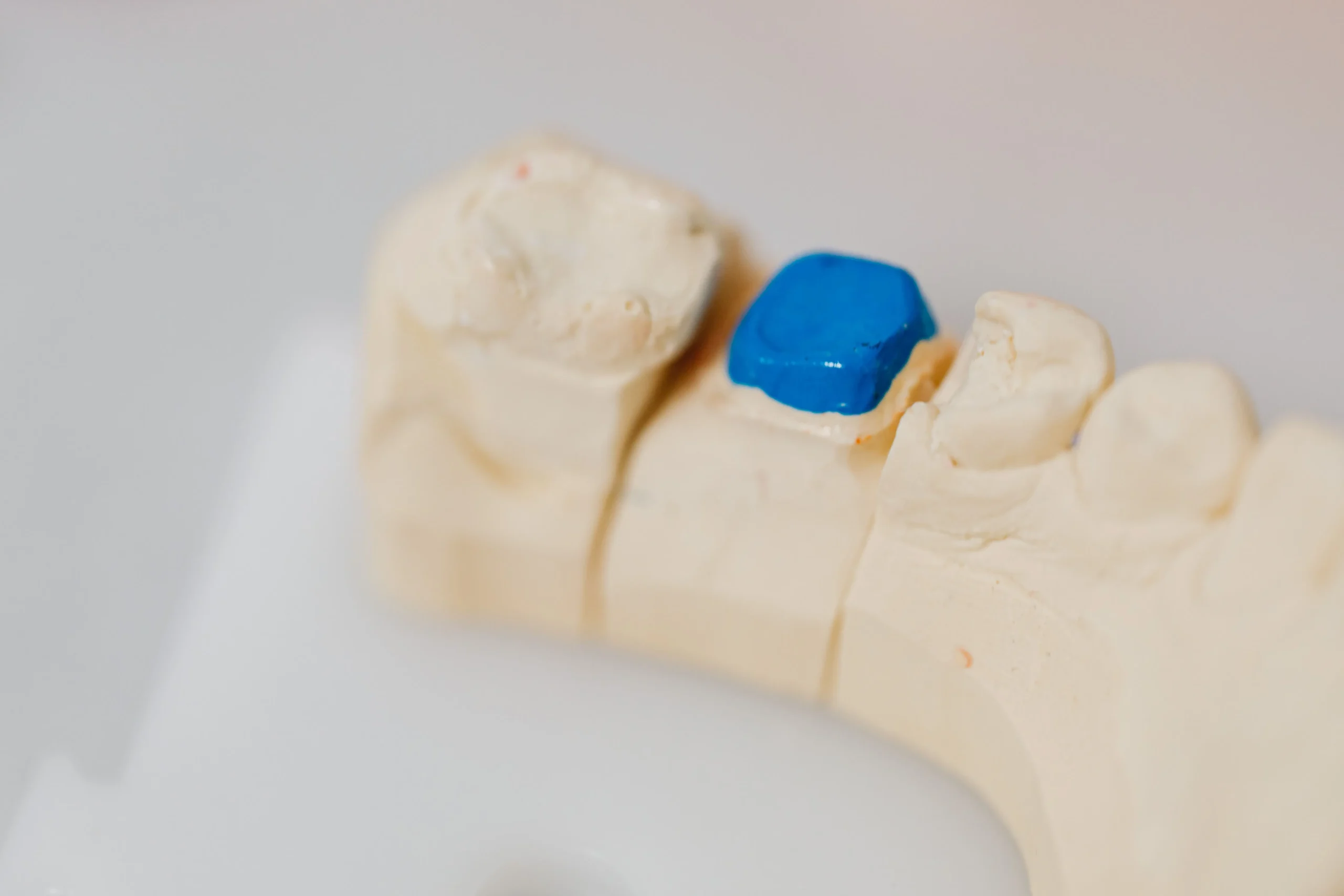
What Happens During Occlusal Disease Treatment?
Treatment begins with understanding your symptoms and examining how your teeth and restorations are functioning. At Baymeadows Park Dental, we explain what we find before recommending care.
Your evaluation may include:
Reviewing your concerns
We ask about tooth wear, sensitivity, clenching, grinding, jaw discomfort, and changes in your bite.
Examining your teeth
We look for worn surfaces, cracks, damaged restorations, and other signs of excessive forces.
Evaluating your bite
We observe how the teeth contact and whether a specific dental problem may be affecting function.
Assessing your jaw and muscles
When appropriate, we check for tenderness, movement limitations, or other symptoms that may require further evaluation.
Using diagnostic technology
Digital X-rays and intraoral cameras may help us evaluate teeth, restorations, and supporting structures.
Discussing treatment options
Recommendations depend on the cause of the problem and may include a protective appliance, restorative treatment, monitoring, or other care.
Monitoring your progress
Follow-up visits allow us to check the condition of your teeth, restorations, and any appliance you use.
Treatment is individualized. We do not assume that every patient with tooth wear, jaw discomfort, or headaches needs the same type of care.
What Treatments May Be Recommended?
The right treatment depends on what is causing the problem and whether the teeth or restorations are already damaged.
Options may include:
Custom night guards
A dental appliance may help protect the teeth from damage related to nighttime grinding or clenching. It does not necessarily stop bruxism itself.
Restorative treatment
Worn, chipped, or fractured teeth may need fillings, crowns, or other restorations depending on the amount of damage.
Monitoring
Mild wear that is stable may simply need to be monitored over time.
Habit awareness
If daytime clenching contributes to symptoms, becoming more aware of the habit may help reduce unnecessary muscle tension.
TMJ or TMD evaluation
If symptoms involve the jaw joints or muscles, we may evaluate them separately and discuss conservative treatment options when appropriate.
We don’t automatically recommend permanent changes to the bite for jaw pain or TMD symptoms. Treatment should be based on the specific dental problem identified during your examination.
Why Choose Baymeadows Park Dental for Occlusal Disease Treatment?
Careful evaluation is especially important when symptoms may have multiple possible causes. Baymeadows Park Dental has served Jacksonville and the First Coast area since 2004 under Dr. Franklin Rios.
Patients choose us for occlusal disease treatment in Baymeadows, FL, because we offer:
Individualized evaluation
We assess your teeth, restorations, bite, symptoms, and habits before recommending treatment.
TMJ and TMD care
We also evaluate jaw-joint and muscle concerns when symptoms suggest another condition may be involved.
Modern diagnostic technology
Digital X-rays and intraoral cameras can support evaluation and treatment planning when appropriate.
Comprehensive restorative care
If worn or damaged teeth need treatment, we provide crowns, fillings, and other restorative services in-house.
A gentle approach
Our “Modern Dentistry with a Gentle Touch” philosophy reflects our focus on comfortable, non-intimidating dental care.
Clear communication
We explain what we find and why a particular treatment may or may not be appropriate.
Established local care
Our practice has served patients in Jacksonville and the First Coast area for more than 20 years.
Our goal is to identify the source of the problem first and recommend care based on your individual findings.
Book Your Occlusal Evaluation
Tooth wear, recurring fractures, or discomfort related to grinding and clenching are worth evaluating. If you are looking for occlusal disease treatment near you, contact Baymeadows Park Dental to schedule an appointment.
We can assess your teeth, bite, and symptoms and explain whether protective, restorative, TMJ-related, or other care may be appropriate.
FAQs
Can occlusal disease get worse over time?
It can. Ongoing grinding, clenching, or excessive forces on the teeth may contribute to additional wear, cracks, or damage to dental restorations over time. An evaluation can help identify the cause and determine whether treatment or monitoring is appropriate.
Can teeth grinding damage my teeth?
Yes. Repeated grinding or clenching can contribute to tooth wear, cracks, fractures, and damage to restorations in some patients. The extent of damage varies, so an examination can help determine whether protective treatment is appropriate.
Will I need a night guard?
Not necessarily. A custom night guard may be recommended if you grind or clench your teeth and there is concern about tooth damage. It can help protect the teeth, but it does not necessarily stop the grinding or clenching habit itself.
Is occlusal disease the same as TMD?
No. Occlusal problems involve forces and contacts affecting the teeth, while temporomandibular disorders involve the jaw joints, chewing muscles, or related structures. The symptoms can sometimes overlap, but a “bad bite” is not considered a proven general cause of TMD.
Can occlusal problems damage dental restorations?
Yes. Excessive forces from clenching, grinding, or certain dental contacts may contribute to wear, chipping, or fracture of restorations. We can evaluate the affected area and determine whether the restoration, bite, or another factor needs attention.