
Endodontic Therapy in Baymeadows, FL
Endodontic Therapy Near You
A severe toothache can make it hard to eat, sleep, or focus on your day. If the dental pulp or tissues around the root of a tooth become inflamed, infected, or damaged, proper diagnosis is important before deciding how to treat the problem. At Baymeadows Park Dental, we provide endodontic therapy in Baymeadows, FL, to evaluate these concerns, relieve symptoms, and help preserve natural teeth whenever possible.
If you are looking for endodontic therapy near you, our team provides gentle care in a comfortable setting. We carefully assess the source of your symptoms, explain what we find, and discuss the treatment options that may be appropriate for your tooth.
What Is Endodontic Therapy?
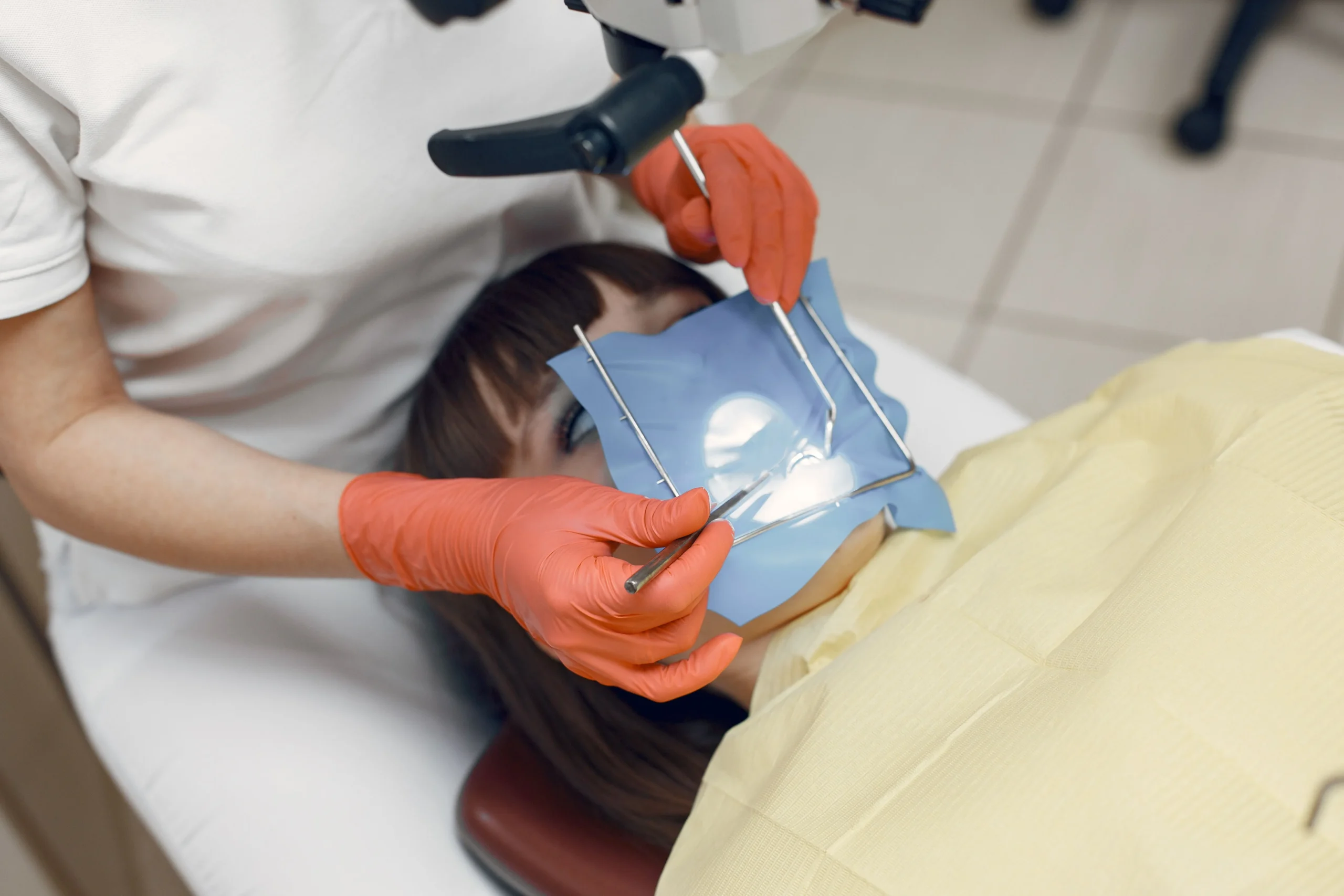
Endodontic therapy focuses on diagnosing and treating problems involving the dental pulp and tissues surrounding the roots of the teeth. The pulp is the soft tissue inside a tooth that contains nerves, blood vessels, and connective tissue.
Deep decay, cracks, dental trauma, or repeated dental procedures can irritate or damage the pulp. Depending on the condition, the pulp may become inflamed or infected and require treatment.
Root canal treatment is the most common form of endodontic therapy, but endodontic care begins with determining exactly what is causing the symptoms and whether the tooth can be preserved.
If you visit our dentist in Baymeadows, FL, with persistent tooth pain, sensitivity, swelling, or another concern, we will evaluate the affected tooth and determine the appropriate next step.
What Problems Can Endodontic Therapy Help With?
Problems involving the pulp or tissues around a tooth’s root can cause different symptoms. Some are obvious, while others may only be discovered during an examination or on an X-ray.
We may recommend an endodontic evaluation if you experience:
Persistent tooth pain
Ongoing or severe discomfort that does not improve
Lingering sensitivity
Sensitivity to hot or cold that continues after the source has been removed
Pain when biting or chewing
Discomfort or pressure when using the affected tooth
Swollen or tender gums
Swelling or tenderness near a painful tooth
A pimple-like bump on the gum
This may be associated with an infection near the root of a tooth
A cracked or injured tooth
Trauma or damage may affect the pulp inside the tooth
Deep tooth decay
Decay can progress through the tooth and reach the pulp
Changes after dental trauma
A tooth that becomes painful, sensitive, or darker after an injury may need evaluation
Not every toothache means you need a root canal. Identifying the source of the problem first helps us determine whether endodontic treatment, restorative care, or another approach is appropriate.
How Do We Diagnose an Endodontic Problem?
The right treatment starts with the right diagnosis. Different dental conditions can cause similar symptoms, so we look at the tooth, surrounding tissues, your symptoms, and your dental history before recommending care.
During your evaluation at Baymeadows Park Dental, we may:
Discuss your symptoms
We ask when the problem started, what the discomfort feels like, and what makes it better or worse.
Examine the tooth
We look for decay, cracks, damaged restorations, swelling, or other visible concerns.
Evaluate the surrounding tissues
We check the gums and tissues around the affected tooth for tenderness, swelling, or signs of infection.
Use diagnostic imaging
Digital X-rays can help us evaluate the roots of the tooth, surrounding bone, and areas that cannot be seen during a visual examination.
Compare possible causes
We consider whether the symptoms are coming from the pulp, the tissues around the root, another tooth, or a different dental condition.
Discuss your treatment options
Once we understand the problem, we explain what we found and what treatment may be appropriate.
Our goal is not to recommend a procedure simply because a tooth hurts. We want to understand why it hurts and choose care based on the diagnosis.
What Treatment May Be Recommended?
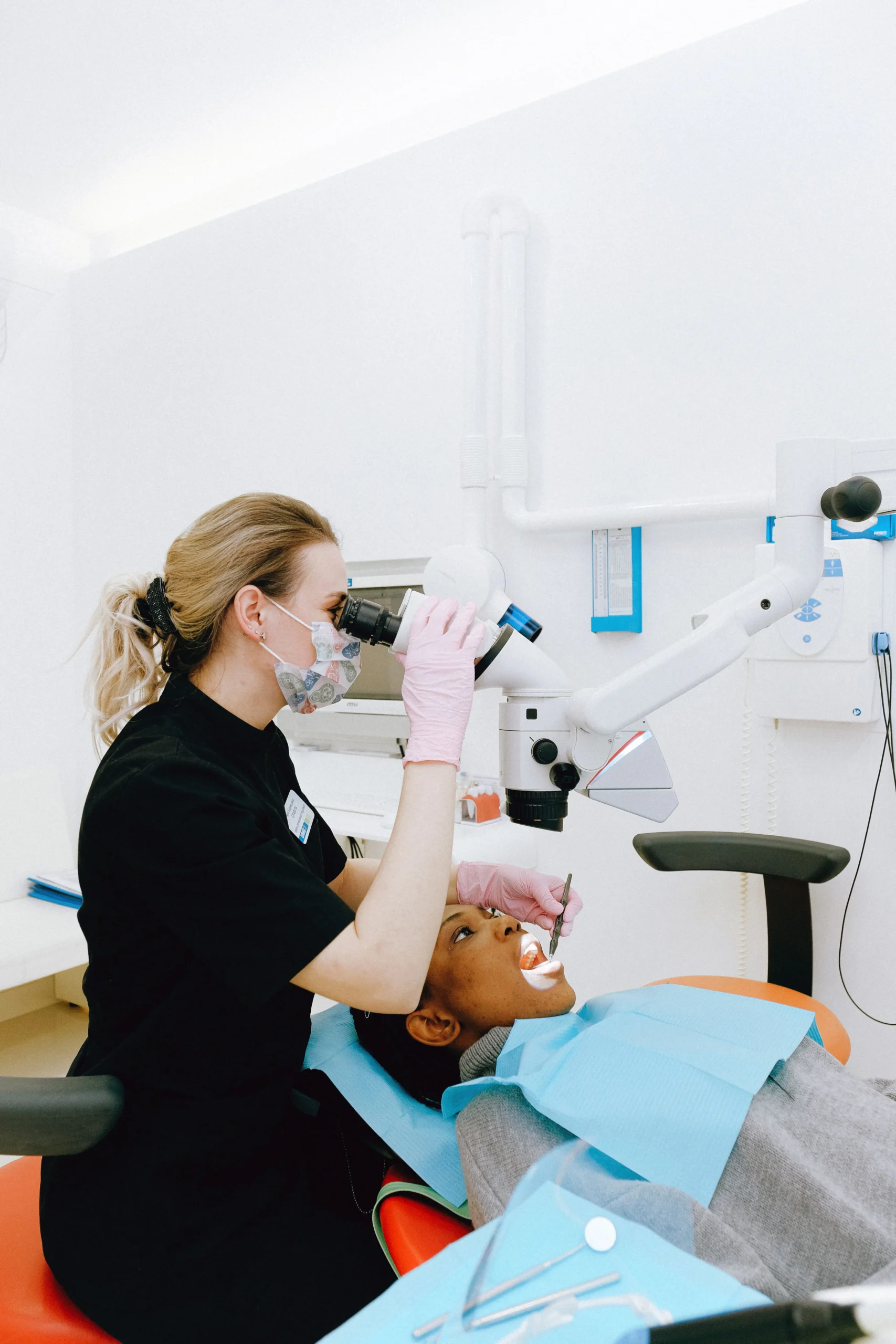
Treatment depends on the condition of the pulp, the amount of healthy tooth structure remaining, and whether the tooth can be predictably restored.
In some cases, the tooth may only need restorative treatment. If the pulp has become irreversibly inflamed or infected, root canal treatment may be recommended to remove the affected tissue and preserve the tooth.
If a tooth is too severely damaged to be restored successfully, another treatment may be necessary. We will explain the condition of your tooth, discuss the available options, and help you understand the advantages and limitations of each approach before moving forward.
When root canal treatment is recommended, we can also discuss how the tooth will be restored afterward. Depending on the tooth, a filling or crown may be needed to provide appropriate protection and function.
Why Choose Baymeadows Park Dental for Endodontic Therapy?
When you are dealing with tooth pain or a possible infection, careful diagnosis is just as important as treatment. Baymeadows Park Dental has served Jacksonville and the First Coast area since 2004 under Dr. Franklin Rios, combining modern technology with a gentle, patient-focused approach.
Patients choose our practice for endodontic therapy in Baymeadows, FL, because we offer:
Careful diagnosis
We evaluate your symptoms, the condition of the tooth, and appropriate diagnostic images before recommending treatment.
Modern diagnostic technology
Digital X-rays and intraoral cameras can help us evaluate affected teeth and surrounding structures.
Gentle, comfort-focused care
Our “Modern Dentistry with a Gentle Touch” philosophy reflects our focus on providing comfortable, non-intimidating treatment.
Clear communication
We explain what we find, why treatment may be recommended, and what your options are before proceeding.
Comprehensive care
If your tooth needs restorative treatment after endodontic care, we also provide fillings, crowns, and other restorative services within the practice.
Same-day emergency care
If significant tooth pain or swelling develops unexpectedly, same-day emergency appointments may be available.
Established local care
Our practice has served Jacksonville and the First Coast area for more than 20 years.
If you are experiencing persistent tooth pain, swelling, sensitivity, or another concern, a dentist near you can evaluate the problem and help determine whether it involves the pulp or another part of the tooth.
Schedule Your Endodontic Evaluation
Persistent tooth pain or signs of infection should not be ignored. If you need endodontic therapy near you, contact Baymeadows Park Dental to schedule an evaluation. We can identify the source of your symptoms, explain your treatment options, and determine what type of care may help preserve your tooth.
FAQs
Is endodontic therapy the same as root canal treatment?
Not exactly. Root canal treatment is the most common form of endodontic therapy, but endodontic care more broadly involves diagnosing and treating conditions affecting the dental pulp and tissues around the roots of the teeth.
Does every toothache require root canal treatment?
No. Tooth pain can have many causes, including decay, cracks, gum problems, damaged restorations, or problems involving the pulp. An examination and appropriate diagnostic imaging can help determine the cause before treatment is recommended.
How do you determine whether I need endodontic treatment?
We consider your symptoms, dental history, clinical examination, and diagnostic imaging. The goal is to determine whether the pulp or tissues around the tooth’s root are affected and whether the tooth can be preserved.
What happens if the pulp is infected?
If the pulp is infected or irreversibly inflamed, root canal treatment may be recommended. The procedure removes the affected pulp, cleans and seals the root canal system, and allows the natural tooth to remain in place when it can be successfully restored.
Can an injured tooth need endodontic care even if it does not hurt?
Yes. Dental trauma can sometimes damage the pulp without causing immediate pain. Changes in tooth color, sensitivity, swelling, or findings during an examination or on an X-ray may indicate that further evaluation is needed.