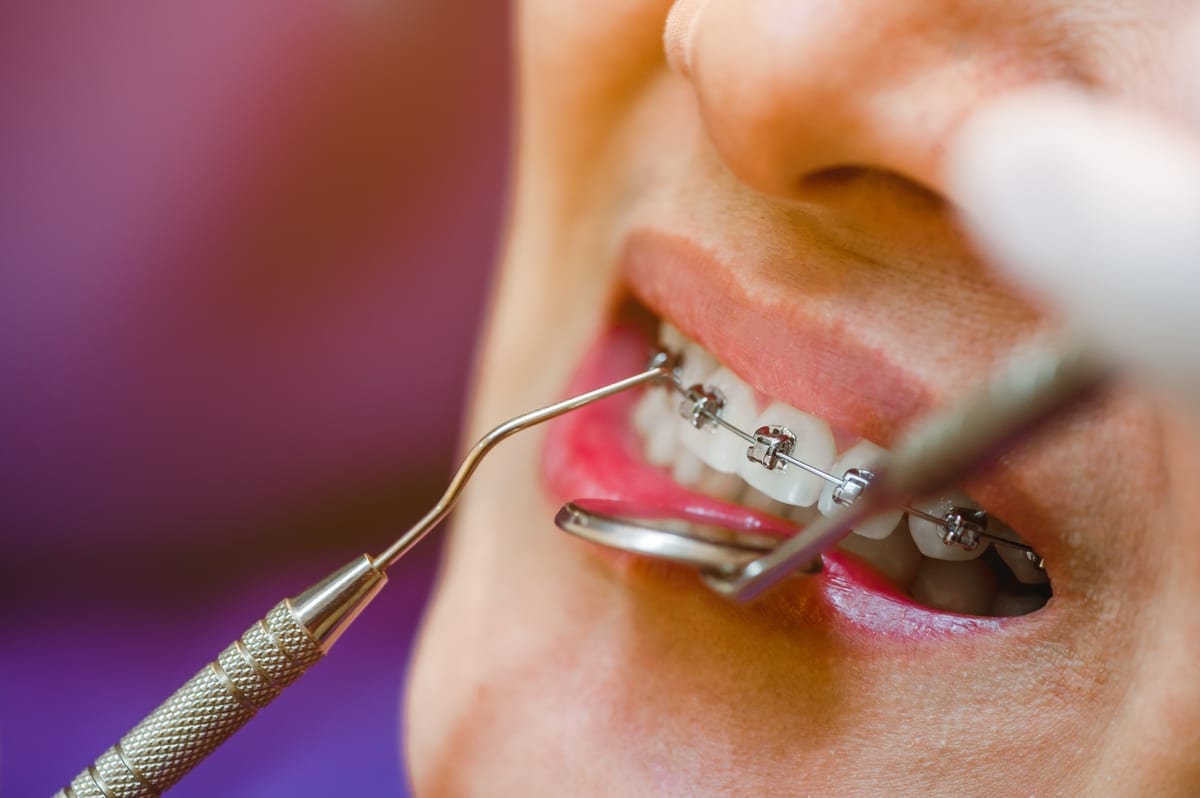
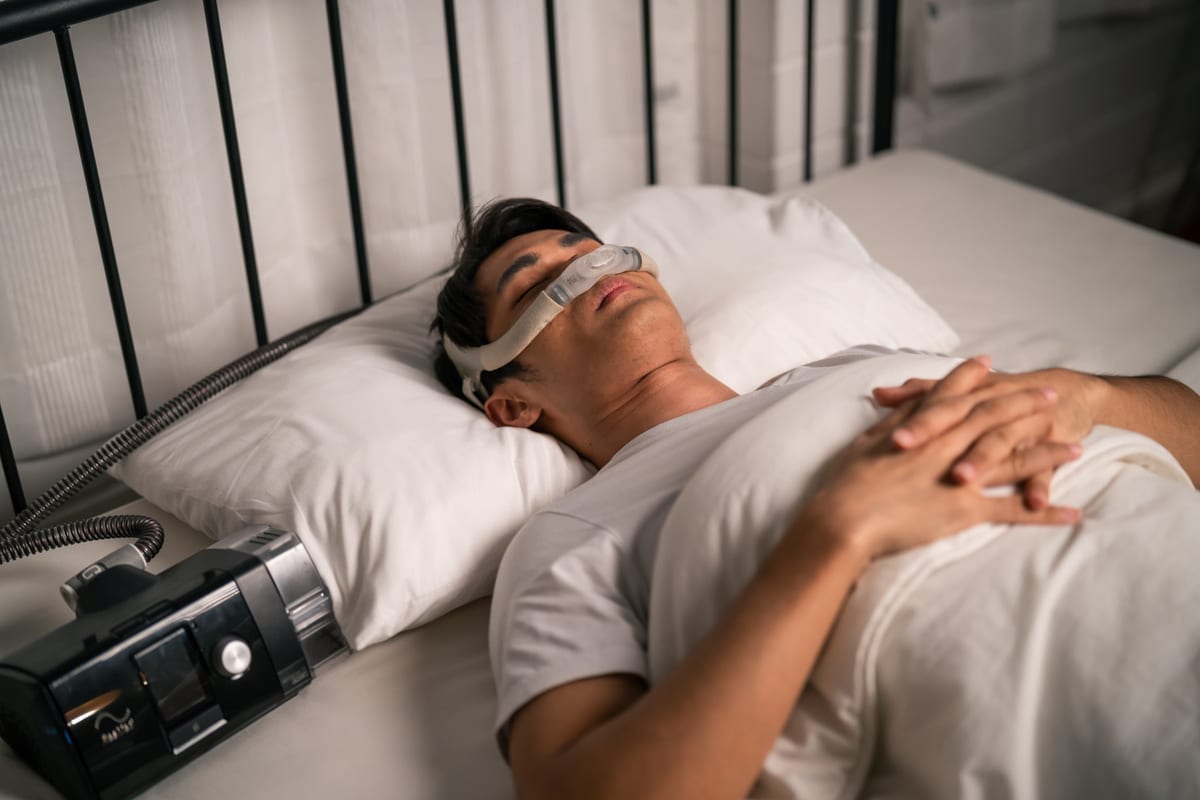
Many patients assume a dental crown is a permanent fix. The truth is more complicated. Understanding why your dental crown might not last 15 years in Jacksonville can help you protect your investment. Dr. Franklin Rios at Baymeadows Park Dental sees crown failures regularly — and most are preventable. This guide explains what shortens crown lifespan, what warning signs to watch for, and how to make your crown last as long as possible.
How Long Should a Dental Crown Actually Last in Jacksonville?
Dental crowns typically last between 10 and 15 years. Some patients keep theirs for 20 years or more. Others need a replacement in just five years. The difference almost always comes down to habits and care.
The material matters too. Porcelain crowns look natural but can chip under heavy pressure. Metal crowns are extremely durable but less cosmetically appealing. Porcelain-fused-to-metal crowns offer a balance of both. Dr. Rios helps each patient choose the best option for their specific bite and lifestyle.
Jacksonville’s humid climate does not directly affect your crown. However, your daily habits — and how often you visit your dentist — have a major impact on longevity. Regular checkups allow your dentist to catch problems early before they become failures.
Why Your Dental Crown Might Not Last 15 Years in Jacksonville: Common Causes
Several everyday habits quietly shorten the life of a dental crown. Most patients are surprised to learn how much damage small behaviors cause over time. Here are the most common culprits Dr. Rios identifies at Baymeadows Park Dental:
- Teeth grinding (bruxism): Grinding puts extreme pressure on crowns, causing chips and cracks.
- Chewing hard foods: Ice, hard candy, and popcorn kernels can fracture porcelain crowns.
- Poor oral hygiene: Bacteria accumulate at the crown margin, leading to decay underneath.
- Skipping dental checkups: Small issues go undetected until the crown fails completely.
- Using teeth as tools: Opening packages or bottles with your teeth stresses the crown.
- Nail biting: Repeated contact wears down crown edges over time.
Many of these issues develop slowly. Patients rarely notice the damage until the crown already needs replacing. That is why Dr. Rios emphasizes preventive monitoring at every visit.
How Teeth Grinding Destroys Crowns Faster Than Anything Else
Bruxism is the single biggest threat to dental crown longevity. Many people grind their teeth at night without realizing it. The forces generated during grinding far exceed normal chewing pressure. This wears down even the strongest crown materials quickly.
Left untreated, bruxism can crack a crown within just a few years. It can also damage the tooth structure beneath the crown. In severe cases, it affects the surrounding teeth and jaw joints. This is where Restorative Dentistry Jacksonville services become essential for rebuilding damaged smiles.
A custom night guard is the most effective solution. It cushions the crown from grinding forces during sleep. Dr. Rios can fit patients for a comfortable, custom-made guard at Baymeadows Park Dental. Wearing one consistently can add years to your crown’s life.
TMJ disorders often accompany bruxism. If you notice jaw pain, clicking, or morning headaches alongside a worn crown, mention this to Dr. Rios. Addressing the underlying jaw issue protects your restorations long-term.
Warning Signs Your Crown Needs Replacing
Most failing crowns give clear warning signs before they fall apart completely. Catching these early saves you from more complex and costly treatment. Watch for these signals:
- Sensitivity to hot or cold: This may indicate decay forming under the crown.
- Pain when biting: A cracked crown or loose fit often causes bite-related pain.
- Visible chips or cracks: Porcelain damage is usually visible or felt with your tongue.
- Crown feels loose or wobbly: The cement bond may have weakened or broken down.
- Gum recession around the crown: Exposed margins allow bacteria to attack the tooth underneath.
- Dark line at the gumline: This signals metal showing through on older crowns.
Do not wait if you notice any of these signs. Early intervention almost always means a simpler fix. Delaying care often leads to tooth loss, which then requires more extensive treatment like Dentures Jacksonville patients may want to avoid when possible.
How to Extend the Life of Your Dental Crown in Jacksonville
Taking good care of your crown is straightforward. Consistent habits make a significant difference over time. Dr. Rios recommends the following routine for every crowned tooth:
Brush twice daily using a soft-bristled toothbrush. Floss around the crown carefully each day. Use a non-abrasive toothpaste to avoid scratching the crown surface. Rinse with an antibacterial mouthwash to reduce bacteria at the margin.
Avoid foods that put unnecessary stress on your crown. Hard candies, chewing ice, and sticky caramel are particularly damaging. These foods do not just threaten the crown — they can also crack natural teeth nearby.
Visit Baymeadows Park Dental for regular checkups and cleanings. X-rays allow Dr. Rios to detect decay beneath the crown before it becomes visible. Professional cleanings remove buildup that brushing alone cannot eliminate. Jacksonville patients who maintain consistent appointments get far more years from their restorations.
Frequently Asked Questions
How long does a dental crown last on average?
Most dental crowns last between 10 and 15 years with proper care. Some last 20 years or more. The lifespan depends on the crown material, your bite, and your daily habits. Grinding and poor hygiene are the most common reasons crowns fail early.
Can a crown fall off, and what should I do?
Yes, a crown can come loose if the dental cement breaks down or if decay develops underneath. If your crown falls off, keep it safe and call Baymeadows Park Dental right away. Do not try to glue it back yourself. Dr. Rios will evaluate whether the crown can be re-cemented or needs replacing.
Does teeth grinding really damage dental crowns?
Absolutely. Bruxism generates enormous force — often far more than normal chewing. This pressure cracks porcelain, wears down materials, and weakens the crown’s bond to the tooth. A custom night guard from your dentist is the best way to protect your crown from grinding damage.
How do I know if decay is forming under my crown?
Sensitivity to temperature changes, aching pain, or discomfort when biting can signal decay under a crown. Often there are no obvious symptoms until the problem becomes serious. This is why routine dental X-rays are so important — they detect hidden decay before it causes major damage.
When is it better to replace a crown than repair it?
If a crown is cracked through, severely worn, or the underlying tooth has significant decay, replacement is usually the better option. Minor chips on porcelain crowns can sometimes be polished or repaired. Dr. Rios will examine your crown thoroughly and recommend the most conservative, effective solution for your situation.
Protecting your dental crown starts with understanding what puts it at risk. Bruxism, hard foods, and skipping checkups are the top threats Jacksonville patients face. Dr. Franklin Rios and the team at Baymeadows Park Dental are here to help you get the most from every restoration. Book Now to schedule your appointment with our team.