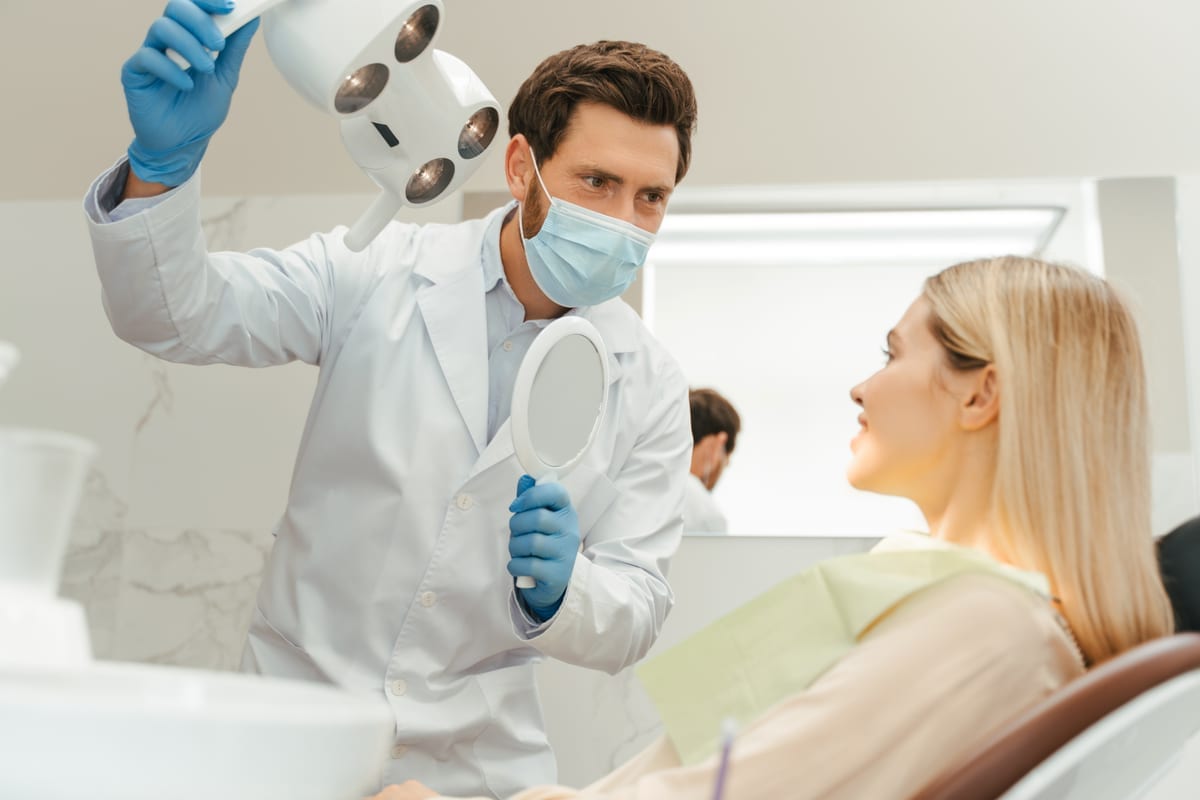
Your professional cleaning just ended—here’s what happens next in Jacksonville, and it matters more than most patients realize. The first few hours after a cleaning are a critical window. Your enamel is freshly polished, your gum tissue may be slightly sensitive, and your mouth is in its cleanest state. What you do next can protect those results—or quickly undo them.
At Baymeadows Park Dental, Dr. Franklin Rios and our team want every patient to walk out of the office with a plan. A great cleaning is only half the equation. The other half is what you do at home right after. This guide walks you through exactly that.
Why the Hours After Your Cleaning in Jacksonville Matter Most
During a professional cleaning, our hygienists remove plaque, tartar, and surface stains. The process also involves polishing your enamel to a smooth finish. That smoothness is actually important—bacteria have a harder time sticking to a clean, polished surface.
But here’s the catch. Your enamel is temporarily more porous right after a cleaning. Certain foods and drinks can stain or irritate your teeth more easily during this window. The good news is that a few simple choices protect your results for longer.
Think of your freshly cleaned teeth like a freshly painted wall. You wouldn’t press something dirty against it right away. The same principle applies here. Be intentional with your next few meals and habits.
What to Avoid Immediately After Your Cleaning
The first thing most patients want to know is what not to do. That’s a smart place to start. Avoiding the wrong foods and habits right after your cleaning protects the work that was just done.
Here are the top things to skip for at least a few hours after your appointment:
- Dark-colored foods and drinks — coffee, tea, red wine, berries, and tomato sauce can stain freshly polished enamel quickly
- Acidic foods — citrus fruits, vinegar-based dressings, and sodas can temporarily soften enamel
- Very hot or very cold foods — your gums may be slightly sensitive after scaling, so extreme temperatures can cause discomfort
- Sticky or hard foods — these can irritate gum tissue that was worked on during the cleaning
- Smoking or tobacco use — staining risk is much higher in the hours immediately after a cleaning
Most of these restrictions apply for just two to four hours. After that window, your enamel stabilizes and normal eating resumes. However, if your hygienist applied a fluoride treatment, wait at least 30 minutes before eating or drinking anything.
What You Should Do After Your Cleaning
Now for the good news. There are several simple things that help lock in your results. These habits extend the benefits of your professional cleaning and set you up for a healthier mouth long-term.
- Drink plenty of water — rinsing with water helps clear away any residual polishing paste and keeps your mouth hydrated
- Brush gently that evening — use a soft-bristled toothbrush and light pressure; your gums may be tender
- Floss before bed — this removes food debris from between teeth and reinforces the clean your hygienist just finished
- Use a fluoride toothpaste — fluoride strengthens enamel and supports the remineralization process
- Eat light, neutral foods — think yogurt, eggs, bananas, or steamed vegetables for your first meal after the appointment
If your hygienist recommended any specific rinses or products, use them as directed. Those recommendations are personalized to your oral health needs. Following through makes a real difference between appointments.
Managing Sensitivity After a Professional Cleaning in Jacksonville
Some patients experience mild tooth sensitivity after a cleaning. This is completely normal and usually resolves within 24 to 48 hours. It happens because the cleaning process removes buildup that may have been covering sensitive areas of the tooth.
If sensitivity is bothering you, try a sensitivity toothpaste with potassium nitrate or stannous fluoride. These formulas help calm the nerve response inside the tooth. Avoid whitening toothpastes for a few days, as they can increase sensitivity temporarily.
You may also notice slight gum tenderness, especially if it has been a while since your last cleaning. Gentle brushing and warm saltwater rinses can soothe the tissue. If tenderness persists beyond 72 hours, contact our office so Dr. Rios can evaluate what’s happening.
In some cases, lingering sensitivity after a cleaning can signal an underlying issue. It might point to enamel erosion, gum recession, or an older filling that needs attention. If you need Restorative Dentistry Jacksonville services, our team can assess and discuss your options at your next visit.
Protecting Your Smile Between Cleanings
Your cleaning appointment is a reset—not a permanent solution on its own. What you do between visits determines how long those results last. The goal is to arrive at your next cleaning with as little buildup as possible.
Brush twice daily for two full minutes each time. Use a soft-bristled toothbrush and replace it every three months. Floss at least once a day, ideally before bed. These basics are simple, but consistency is where most people struggle.
Diet plays a big role too. Limiting sugary snacks, acidic drinks, and processed foods reduces the fuel that cavity-causing bacteria thrive on. Drinking water throughout the day helps rinse away food particles and neutralize acids in the mouth.
If you grind your teeth at night, talk to Dr. Rios about a nightguard. Grinding accelerates enamel wear and can compromise the work done during your cleaning. Protecting your enamel is one of the most important steps you can take for long-term dental health.
For patients with existing dental work such as Dental Crowns Jacksonville, proper aftercare is especially important. Crowns and other restorations require the same attention to aftercare as natural teeth—sometimes more.
When to Schedule Your Next Cleaning
Most patients benefit from a professional cleaning every six months. However, some patients need more frequent visits. If you have a history of gum disease, are prone to tartar buildup, or have certain health conditions, Dr. Rios may recommend a three- or four-month cleaning schedule.
The best time to schedule your next appointment is before you leave the office. Our front desk team in Jacksonville can get you on the calendar right away. That way, you never fall too far behind on your preventive care.
Staying consistent with cleanings is one of the highest-value investments you can make in your oral health. It prevents small problems from becoming expensive ones. It also gives Dr. Rios a regular opportunity to catch anything developing early.
Your smile deserves consistent care and expert attention. Book Now to schedule your next appointment with our team at Baymeadows Park Dental.
Frequently Asked Questions
Can I eat right after my professional cleaning?
It depends on whether a fluoride treatment was applied. If fluoride was used, wait at least 30 minutes before eating. In general, avoid staining or acidic foods for two to four hours after any cleaning. Stick to light, neutral options like water, yogurt, or bananas for your first post-cleaning meal.
Why are my teeth sensitive after a cleaning?
Sensitivity after a cleaning is common and usually temporary. The cleaning process removes buildup that may have been covering sensitive tooth surfaces. Sensitivity typically resolves within 24 to 48 hours. A sensitivity toothpaste can help, and if discomfort persists beyond 72 hours, contact Baymeadows Park Dental for an evaluation.
How long do the results of a professional cleaning last?
The immediate results—such as reduced plaque and polished enamel—are in place right away. How long those results hold depends on your home care routine. Brushing twice daily, flossing once a day, and avoiding staining foods helps maintain your clean smile until your next appointment.
Is it normal for my gums to bleed a little after a cleaning?
Minor bleeding after a cleaning is common, especially if gum disease or significant buildup was present. It usually resolves within a day or two. If bleeding continues beyond 48 hours or is heavy, reach out to our office so Dr. Rios can take a closer look.
How often should I get a professional cleaning in Jacksonville?
Most adults benefit from a cleaning every six months. Patients with gum disease, heavy tartar buildup, or certain systemic health conditions may need more frequent visits—every three to four months. Dr. Franklin Rios will recommend a cleaning schedule tailored to your specific oral health needs.