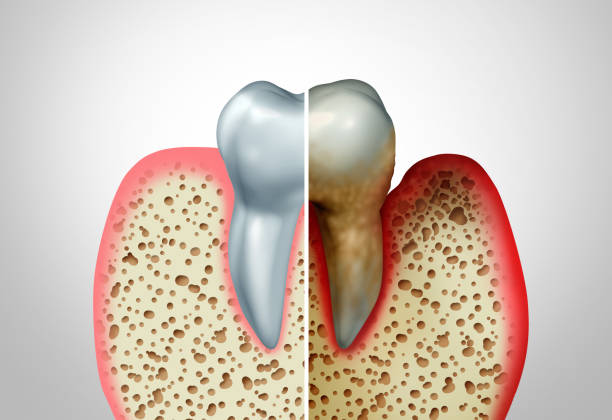
Diabetes doesn’t merely alter your blood glucose level; it also alters your gums’ health. Increased glucose level welcomes more mouth bacteria, delays healing, and make gum infections more difficult to manage. That’s why dentists always recommend patients with diabetes to be more careful of their gum health. Both the CDC and NIH indicate that diabetes is associated with periodontal disease and dry mouth, which can increase your risk for cavities and gingival inflammation.
Why does diabetes strike your gums?
Unmanaged level of blood glucose feeds plaque and causes red, inflamed gum tissue (gingivitis) that has the potential to turn into periodontitis. National data show that nearly 42% of American adults 30+ years old live with some form of periodontitis, and people with diabetes are more likely to develop it. Dry mouth (xerostomia) and poor healing wounds make matters worse, so infections last longer.
The CDC also reports that adults with diabetes are more likely to have untreated cavities, and too many visit a medical provider without also booking a local dentist in Jacksonville – missed chances to detect problems early on.
Dr. Rios’s daily prevention routine (simple, steady, effective)
The following is the daily regimen Dr. Rios recommends to diabetic patients. It’s easy, repeatable, plaque control, and tissue repair-centered. Keep reading to see why each step is necessary.
Morning
- Brush for two minutes using a fluoride toothpaste. Pick a soft-bristled brush and hold it at a 45-degree angle to remove debris from your gumline.
- Clean between teeth (floss or interdental brushes) to reduce periodontal pockets and bleeding risk.
- Rinse with alcohol-free antimicrobial mouthrinse if dry mouth is an issue.
Midday
- Drink at least 12 to 16 cups of water regularly; sugar-free xylitol gum will also improve saliva flow.
- Keep a note of your meals and how many calories you consume in a day. Your gums also benefit from glycemic control as much as the rest of your body.
Evening
- Brush again before bedtime; a soft toothbrush head protects the gum tissue.
- Place a humidifier beside the bed if you struggle with oral dryness at nighttime (talk to us if symptoms persist).
How dental care can help control blood sugar levels
Here’s some great news: treating gum inflammation can also positively influence your glucose levels. A 2025 review found periodontal treatment decreased HbA1c and CRP in the short term—evidence that eradicating chronic oral inflammation will assist in overall control. Not a diabetes treatment, but a handy add-on.
Red flags you shouldn’t ignore
Sore, bleeding gums, persistent bad breath, teeth that “feel long,” or a bite that feels changed require an early consultation. Periodontitis begins as gingivitis, advancing as bacteria mineralize into calculus along the gumline, eroding bone and gum tissues. Early therapy and regular home care keep you ahead of infection.
Regular cleanings and periodontal care give us room to teach hygiene methods, take pocket depths, and adjust your plan as your dental health improves. Many diabetic patients skip these appointments; closing that gap can prevent problems later on. Gum disease and diabetes are related, and small daily choices have an impact.
If gum tenderness, bleeding, or dry mouth are cropping up in your day, stop by and see Dr. Rios at Baymeadows Park Dental. Call today or book online.