
Intraoral Cameras in Baymeadows, FL
Intraoral Cameras Near You
Seeing what your dentist sees can make dental findings easier to understand. At Baymeadows Park Dental, we use intraoral cameras in Baymeadows, FL, to capture close-up images of teeth, gums, and other visible areas inside the mouth. These images can support examination, documentation, and clear communication about your oral health.
If you are looking for intraoral cameras near you, our team uses this technology when it can provide useful visual information during your visit. We can show you relevant images and explain what we are seeing so you can better understand any recommended care.
What Are Intraoral Cameras?
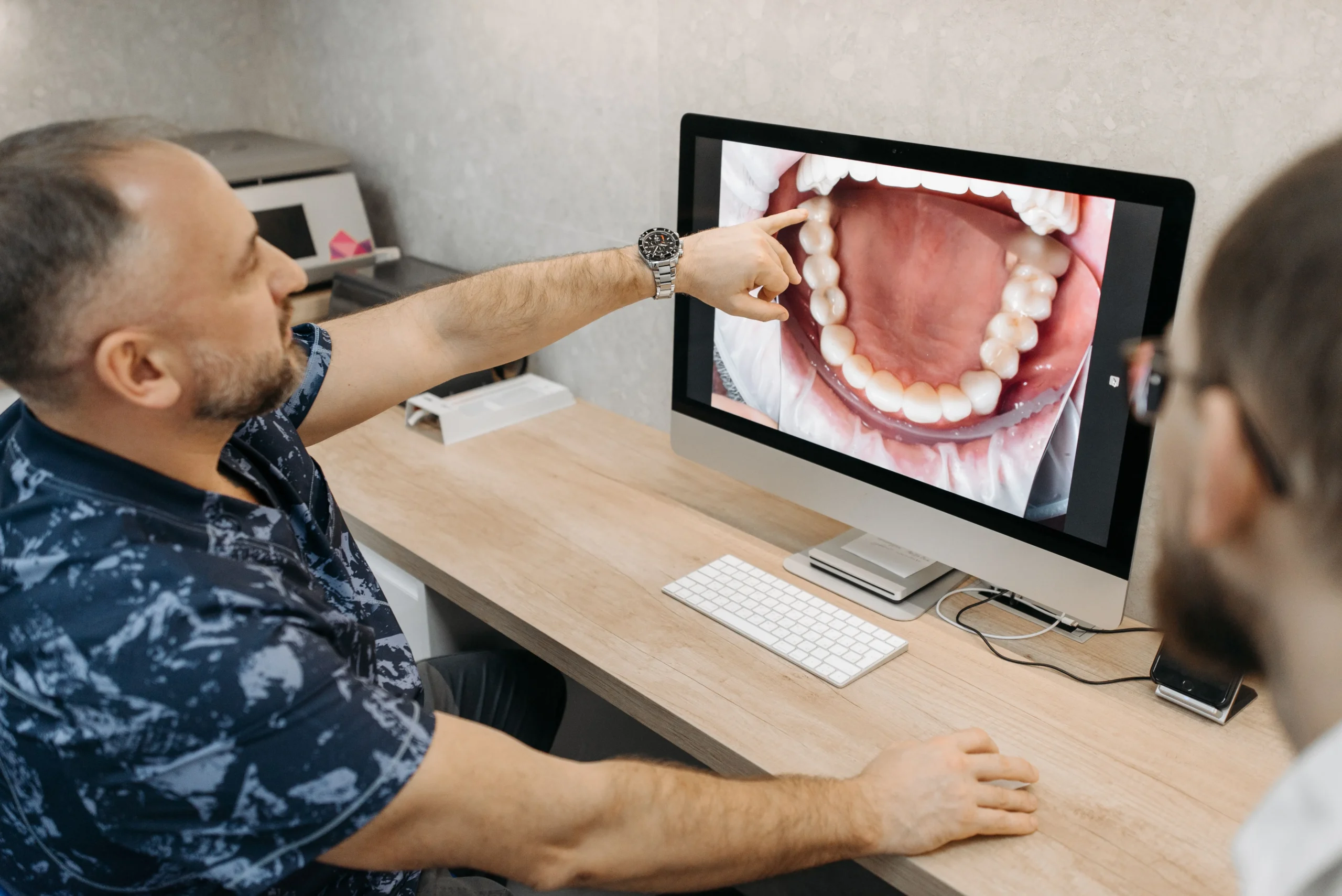
Intraoral cameras are small handheld devices used to capture detailed photographs inside the mouth. The camera can be positioned around the teeth and gums to provide enlarged views of areas that may be difficult for you to see on your own.
Images can be displayed on a monitor, allowing both you and our dental team to look at the same area while discussing your oral health.
Our dentist in Baymeadows, FL, may use an intraoral camera to examine and document visible changes involving teeth, gums, restorations, or other areas of the mouth. The camera complements a clinical examination but does not replace dental X-rays or other diagnostic methods when they are needed.
When Might an Intraoral Camera Be Used?
An intraoral camera may be useful when we want a closer visual record of an area inside your mouth.
It may be used to:
Document tooth damage
Close-up images can record visible chips, cracks, wear, or other changes.
Examine existing dental work
Fillings, crowns, and other restorations can be photographed when we are evaluating their condition.
Show gum changes
Images can help document redness, swelling, recession, or other visible changes involving the gums.
Evaluate suspicious areas
A camera can provide an enlarged view of an area that deserves closer visual examination.
Monitor changes over time
Photographs taken at different visits may help document whether a visible area has changed.
Explain treatment recommendations
Showing you an image can make it easier to understand why monitoring or treatment may be recommended.
If you notice a visible change in a tooth or your gums or have another oral-health concern, a dentist near you can determine which examination and diagnostic methods are appropriate.
What Are the Benefits of Intraoral Cameras?
When appropriate, intraoral cameras can support both clinical care and patient communication.
Potential benefits include:
Detailed images
Close-up photographs provide an enlarged view of visible tooth and gum surfaces.
Patient education
Seeing the area being discussed can make dental findings easier to understand.
Clear communication
Images allow us to point out specific areas while explaining our observations or recommendations.
Clinical documentation
Photographs can become part of your dental record and document the condition of an area at a particular time.
Monitoring visible changes
Images may be compared over time when an area needs continued observation.
No ionizing radiation
Intraoral cameras take photographs and do not expose you to X-ray radiation.
Support for treatment planning
Photographs can provide additional visual information when considering appropriate care.
An intraoral camera provides surface images. It cannot show structures inside the teeth or beneath the gums and bone in the same way dental X-rays can.
What Happens During an Intraoral Camera Exam?
Using an intraoral camera is usually straightforward. At Baymeadows Park Dental, the process may include:
Discussing your concerns
We ask about symptoms or changes you have noticed.
Examining your mouth
We perform a clinical examination and determine whether photographs would provide useful information.
Capturing the images
The small camera is positioned near the areas we want to examine or document.
Reviewing the images
We display relevant photographs and explain what they show.
Answering your questions
You can ask questions about the areas shown in the images or our findings.
Discussing next steps
If we recommend further evaluation, monitoring, or treatment, we explain why.
Documenting the findings
We may retain appropriate images as part of your dental record.
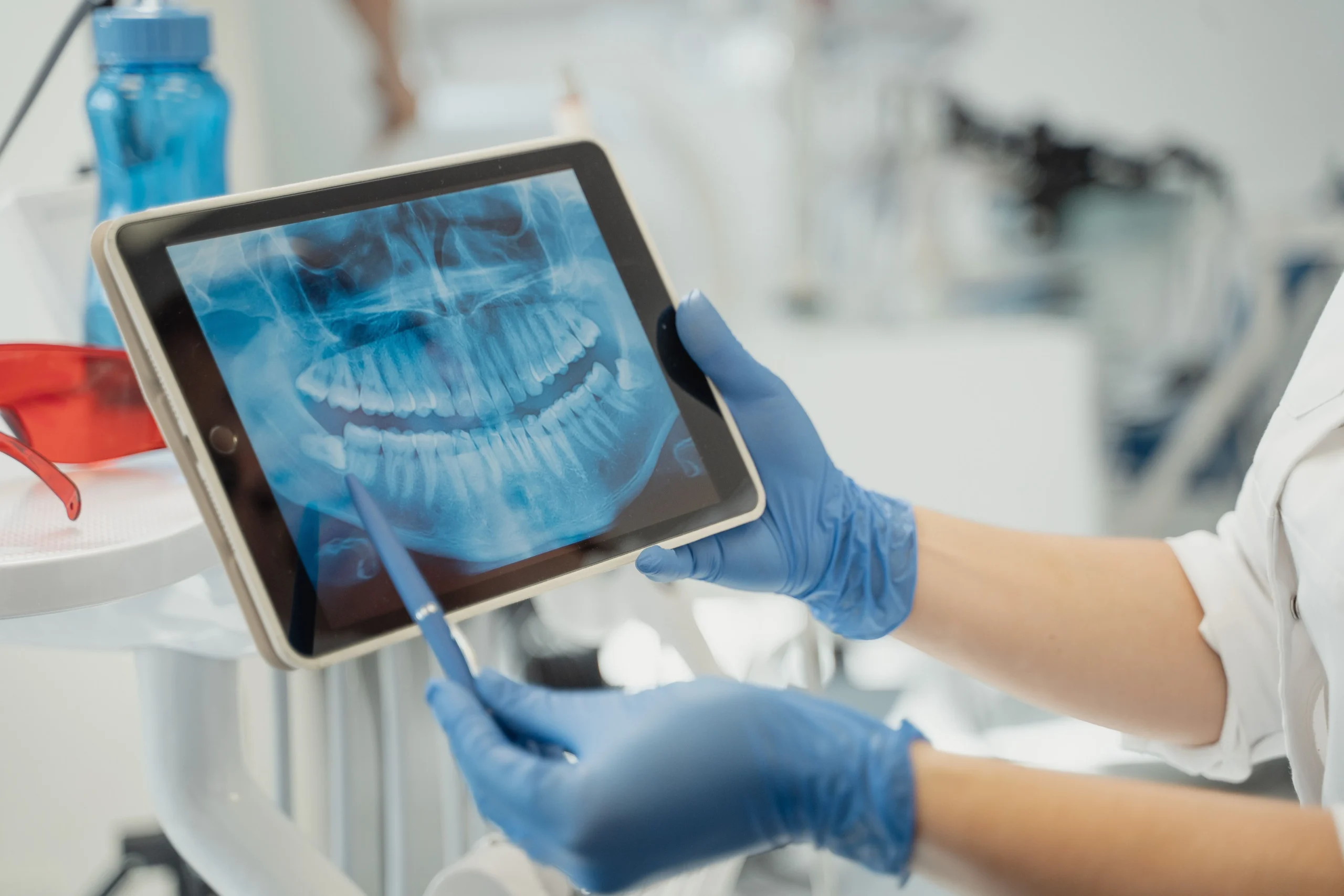
Intraoral photographs may be used alongside digital X-rays or other diagnostic tools when additional information is needed. Each type of technology provides different information, so we choose the tools that fit the clinical situation.
Why Choose Baymeadows Park Dental for Intraoral Cameras?
Patients and families choose our practice for intraoral cameras in Baymeadows, FL, because we combine modern technology with personalized dental care.
More than 20 years of local care
Our practice has served Jacksonville and the First Coast area since 2004 under Dr. Franklin Rios.
Intraoral camera technology
Close-up images can support examination, documentation, and patient education when appropriate.
Additional diagnostic tools
Digital X-rays and DIAGNOdent are also available when they can provide useful information.
A gentle approach
Our “Modern Dentistry with a Gentle Touch” philosophy reflects our focus on comfortable, non-intimidating care.
Family-focused dentistry
We welcome children, adults, and multiple generations of families.
Comprehensive services
If an examination identifies a dental concern, we provide preventive, restorative, periodontal, pediatric, emergency, and other appropriate services.
Clear communication
We use images when helpful to show you what we see and explain our recommendations.
Schedule Your Visit
Dental photographs can make conversations about your oral health clearer by letting you see the areas being discussed. If you are looking for intraoral cameras near you, contact Baymeadows Park Dental to schedule an appointment. We can evaluate your oral health and determine whether intraoral photographs or other diagnostic tools would help your care.
FAQs
Are intraoral cameras safe?
Yes. Intraoral cameras take digital photographs and do not use ionizing radiation. The camera is positioned inside the mouth only long enough to capture the images needed.
Do intraoral cameras replace dental X-rays?
No. The two technologies provide different information. Intraoral cameras photograph visible surfaces inside the mouth, while dental X-rays can show structures that cannot be seen directly, including areas inside and around teeth and supporting bone.
Does using an intraoral camera hurt?
Using an intraoral camera is generally comfortable, although having any device positioned inside the mouth may feel temporarily unfamiliar. Let us know if you are uncomfortable so we can adjust our approach when possible.
Why do dentists use intraoral cameras?
Intraoral cameras can help dentists examine and document visible areas inside the mouth and can make it easier to explain findings to patients using close-up images.
Are intraoral cameras used at every dental checkup?
Not necessarily. We use an intraoral camera when photographs can provide useful information for examination, documentation, monitoring, or patient education. Whether it is needed depends on your individual visit and oral health needs.