
Dental Bridges in Baymeadows, FL
Dental Bridges Near You
Missing teeth can make chewing more difficult and change the appearance of your smile. At Baymeadows Park Dental, we provide dental bridges in Baymeadows, FL, to replace missing teeth and help restore oral function with treatment planned around your needs.
If you are looking for dental bridges near you, our team can evaluate the space, your surrounding teeth, gums, and bite to determine whether a bridge is appropriate. We explain your options clearly and help you understand how each treatment may fit your oral health needs.
What Are Dental Bridges?
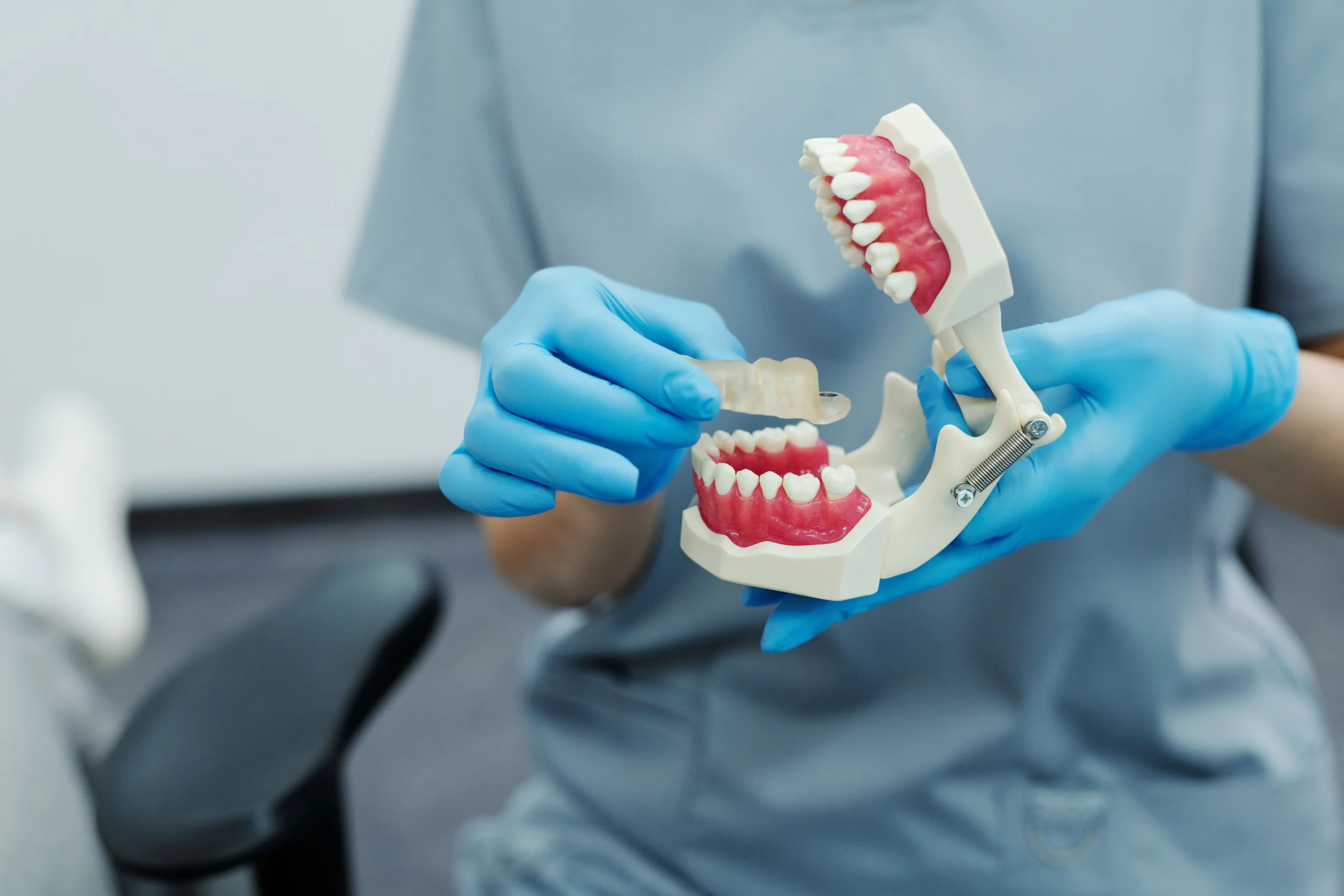
A dental bridge is a fixed restoration used to replace one or more missing teeth. The replacement tooth or teeth fill the space left by missing teeth and are supported by natural teeth, dental implants, or another appropriate supporting structure, depending on the type of bridge.
A traditional bridge commonly uses crowns placed over supporting teeth on either side of the gap. Implant-supported bridges use dental implants instead of natural teeth for support.
Before recommending treatment, our dentist in Baymeadows, FL, evaluates your teeth, gums, bite, and the location of the missing tooth or teeth. We also consider the condition of the potential supporting teeth and whether another tooth replacement option may better suit your needs.
When Might You Need a Dental Bridge?
You may benefit from an evaluation if you:
Have one or more missing teeth
A bridge can fill certain spaces left by missing teeth.
Have difficulty chewing
Replacing missing teeth may help restore chewing function.
Notice nearby teeth shifting
Teeth next to an empty space can sometimes move over time.
Want a fixed tooth replacement
A bridge remains in place rather than being removed each day like a removable denture.
Have suitable supporting teeth
Traditional bridges require appropriate support from neighboring teeth.
May benefit from implant support
In some cases, dental implants can support a bridge instead of natural teeth.
The right tooth replacement depends on your oral health, the number and location of missing teeth, and the available support.
What Are the Benefits of Dental Bridges?
For suitable patients, a dental bridge may provide several benefits:
Replacing missing teeth
A bridge fills the space left by one or more missing teeth.
Supporting chewing function
Replacing missing teeth may make biting and chewing more comfortable and effective.
Improving appearance
A bridge can restore the visible space left by missing teeth.
Helping maintain tooth position
Filling a gap may help reduce movement of neighboring teeth into the open space.
Providing a fixed restoration
Unlike a removable partial denture, a fixed bridge stays in place.
Supporting speech in some cases
Replacing certain missing teeth may improve pronunciation when the gap has affected speech.
Offering different treatment options
Depending on your needs, a bridge may be supported by natural teeth or dental implants.
If you have one or more missing teeth or difficulty chewing because of a gap in your smile, visit a dentist near you to discuss your tooth replacement options.
What Happens During Dental Bridge Treatment?
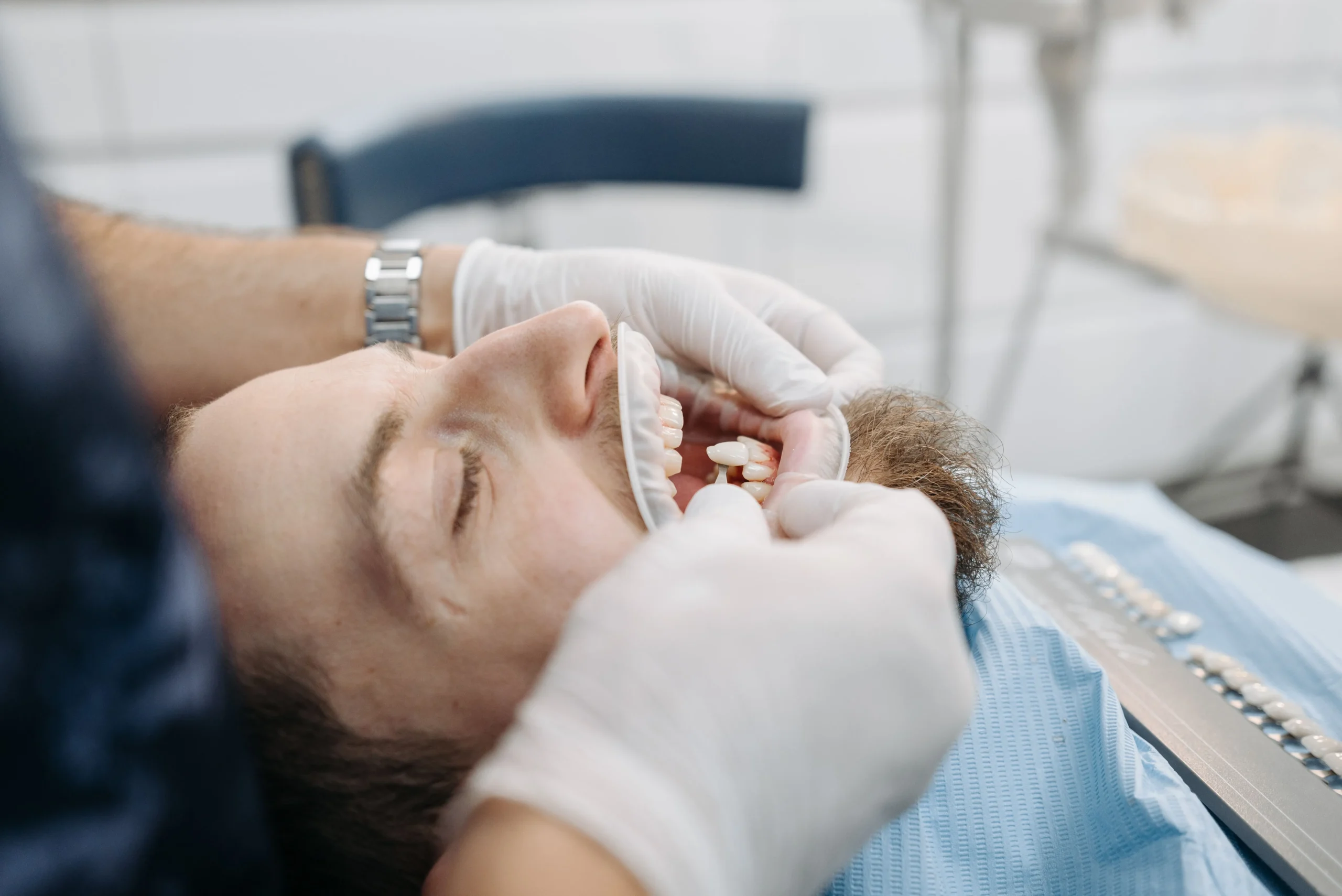
The process depends on the type of bridge and how it will be supported. At Baymeadows Park Dental, your care may include:
Discussing your concerns
We ask about your dental history, symptoms, and goals for replacing the missing tooth or teeth.
Examining your oral health
We evaluate your teeth, gums, bite, and the area where teeth are missing.
Using diagnostic technology
Digital X-rays and intraoral cameras may support evaluation and treatment planning when appropriate.
Discussing your options
We explain whether a traditional bridge, implant-supported bridge, or another tooth replacement option may be appropriate.
Preparing supporting teeth when needed
For a traditional bridge, we prepare the supporting teeth to hold the restoration.
Taking dental records
We obtain the records or impressions needed to create a bridge that fits your mouth.
Using a temporary restoration when appropriate
A temporary bridge may protect prepared teeth while we make the final restoration.
Placing the final bridge
We check the fit, bite, and appearance before securing the restoration.
Reviewing home care
We show you how to brush around the bridge and clean underneath it to help protect the supporting teeth and gums.
Implant-supported bridges follow a different process because the implants must be placed and allowed to heal before the final bridge can be attached.
Why Choose Baymeadows Park Dental for Dental Bridges?
Patients choose our practice for dental bridges in Baymeadows, FL, because we offer:
More than 20 years of local care
Our practice has served Jacksonville and the First Coast area since 2004 under Dr. Franklin Rios.
Comprehensive restorative care
We provide bridges, crowns, dental implants, dentures, fillings, and other services to restore missing or damaged teeth.
Dental implant care
Because implants can support certain bridges, we can discuss both tooth-supported and implant-supported options when appropriate.
A gentle approach
Our “Modern Dentistry with a Gentle Touch” philosophy reflects our focus on comfortable, non-intimidating care.
Modern diagnostic technology
Digital X-rays and intraoral cameras can support evaluation and treatment planning when appropriate.
Personalized recommendations
We consider your missing teeth, supporting teeth, gums, bite, and treatment preferences before recommending a bridge.
Clear communication
We explain your options, what treatment involves, and how to care for your bridge afterward.
Schedule Your Dental Bridge Consultation
If missing teeth are affecting your smile or ability to chew comfortably, an evaluation can help you understand your replacement options.
If you are looking for dental bridges near you, contact Baymeadows Park Dental to schedule an appointment. We can evaluate your oral health and determine whether a dental bridge or another tooth replacement option is appropriate.
FAQs
How long do dental bridges last?
Dental bridges can last many years, but not forever. Their lifespan depends on factors such as the type of bridge, oral hygiene, the health of the supporting teeth and gums, bite forces, and regular dental care.
Is getting a dental bridge painful?
Local anesthetic may be used when supporting teeth need to be prepared, which helps keep the area comfortable during treatment. Some temporary sensitivity or tenderness can occur afterward.
How do I clean under a dental bridge?
Brush your teeth twice daily and clean underneath the bridge every day using floss threaders, interdental brushes, or another method we recommend. Cleaning around the supporting teeth and gums is important for maintaining the restoration.
Can a dental bridge replace more than one missing tooth?
Yes. In some situations, dental bridges can replace more than one missing tooth. The number of teeth that can be replaced depends on the location of the gap and the amount and quality of support available.
Is a bridge or dental implant better for me?
Both can be appropriate ways to replace missing teeth. A traditional bridge relies on neighboring teeth for support, while an implant-supported restoration uses dental implants. We will evaluate your oral health and explain which options may suit your needs.