
TMJ & TMD Treatment in Baymeadows, FL
TMJ & TMD Treatment Near You
Jaw pain or stiffness can make everyday activities such as eating, speaking, and yawning uncomfortable. At Baymeadows Park Dental, we provide TMJ & TMD treatment in Baymeadows, FL, for patients experiencing jaw joint or muscle-related symptoms. We begin with an evaluation to better understand your symptoms before recommending appropriate care.
If you are looking for TMJ & TMD treatment near you, our team provides personalized care in a comfortable, non-intimidating setting. We take time to discuss your symptoms, explain what we find, and recommend conservative treatment or further evaluation when appropriate.
What Are TMJ and TMD?
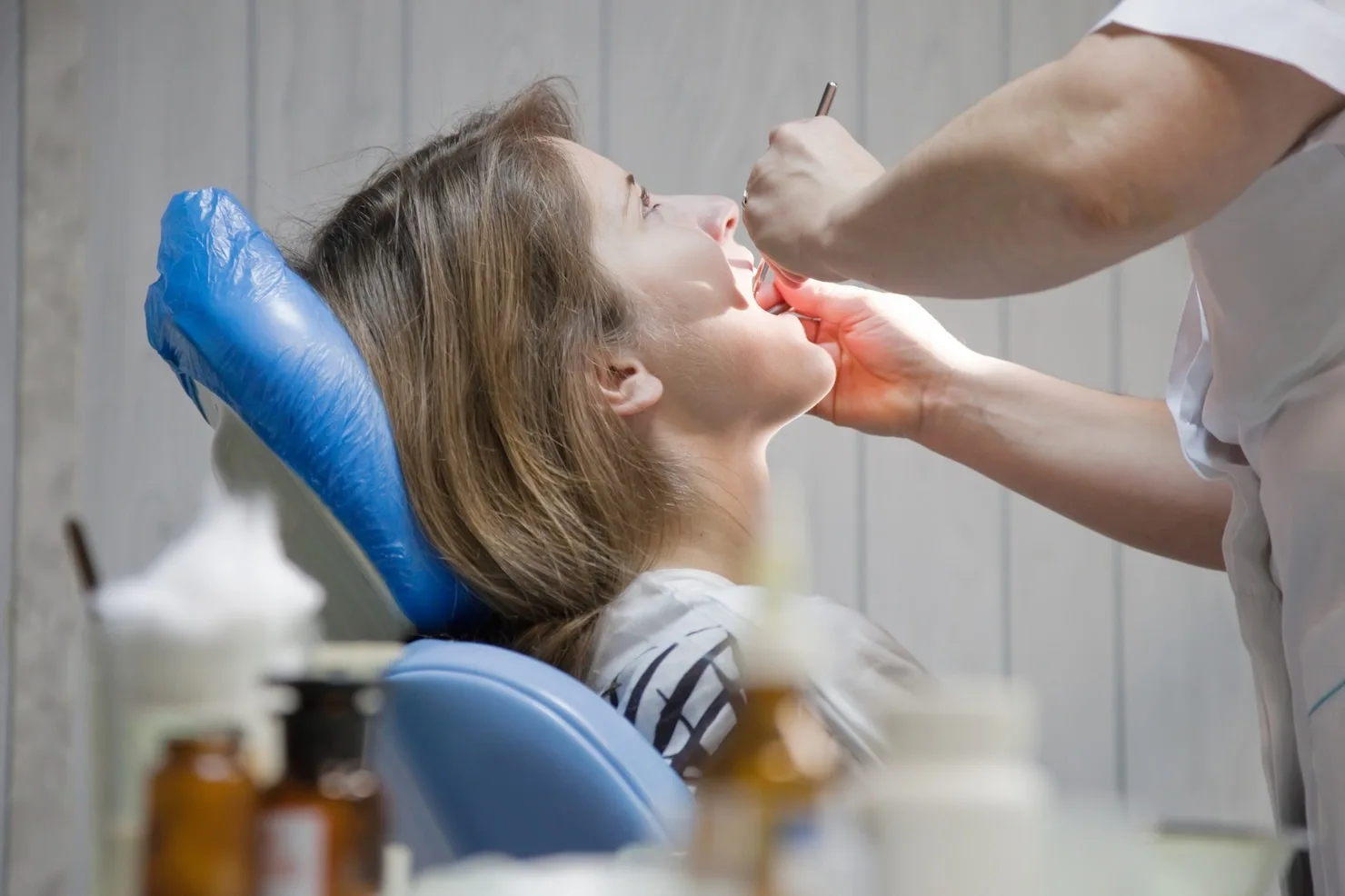
The temporomandibular joints, or TMJs, connect the lower jaw to the skull and help you open and close your mouth. TMD refers to a group of disorders that can affect these joints, the muscles used for chewing, or both.
TMD does not have one single cause. An injury can contribute to some cases, while in many others, the exact cause is unclear. Jaw clenching and other habits may also contribute to symptoms in some patients.
Our dentist in Baymeadows, FL, can evaluate your symptoms, jaw movement, muscles, teeth, and bite and determine whether additional testing or referral may be appropriate. Because jaw and facial pain can have different causes, an evaluation helps determine whether your symptoms are consistent with TMD or may be related to another condition.
When Might You Need a TMD Evaluation?
You may benefit from an evaluation if you experience:
Jaw pain or tenderness
Discomfort may occur around the jaw joint, chewing muscles, face, or nearby areas.
Jaw stiffness
Your jaw may feel tight or difficult to move normally.
Limited movement or locking
Some TMDs can make it difficult to fully open or close your mouth.
Painful clicking or popping
Joint sounds accompanied by pain or limited movement may need evaluation.
Pain while chewing
Jaw-joint or muscle problems can make eating uncomfortable.
Changes in how your teeth fit together
Certain TMDs can cause a noticeable change in your bite.
Headaches associated with jaw symptoms
Some types of headaches can occur along with TMD.
Clicking or popping without pain is common and does not necessarily require treatment.
If jaw pain, limited movement, or other symptoms are affecting your daily activities, visit a dentist near you for an evaluation.
What Are the Benefits of TMD Treatment?
Because TMD includes different conditions, treatment should be based on the specific symptoms and findings identified during your evaluation.
Depending on your condition, treatment may help with:
Reducing discomfort
Conservative care may help manage jaw-joint or muscle pain.
Improving jaw movement
Appropriate treatment may help reduce stiffness and support more comfortable movement.
Managing harmful habits
Recognizing and reducing habits such as clenching, gum chewing, or nail biting may help some patients.
Protecting teeth
An oral appliance may help protect teeth from damage associated with grinding or clenching.
Supporting daily function
Managing symptoms may make chewing, speaking, and other jaw movements more comfortable.
Monitoring changes
Follow-up allows us to assess your symptoms and determine whether you need additional care.
Not every patient needs the same treatment, and some TMD symptoms improve with simple, conservative care.
What Happens During TMJ & TMD Treatment?
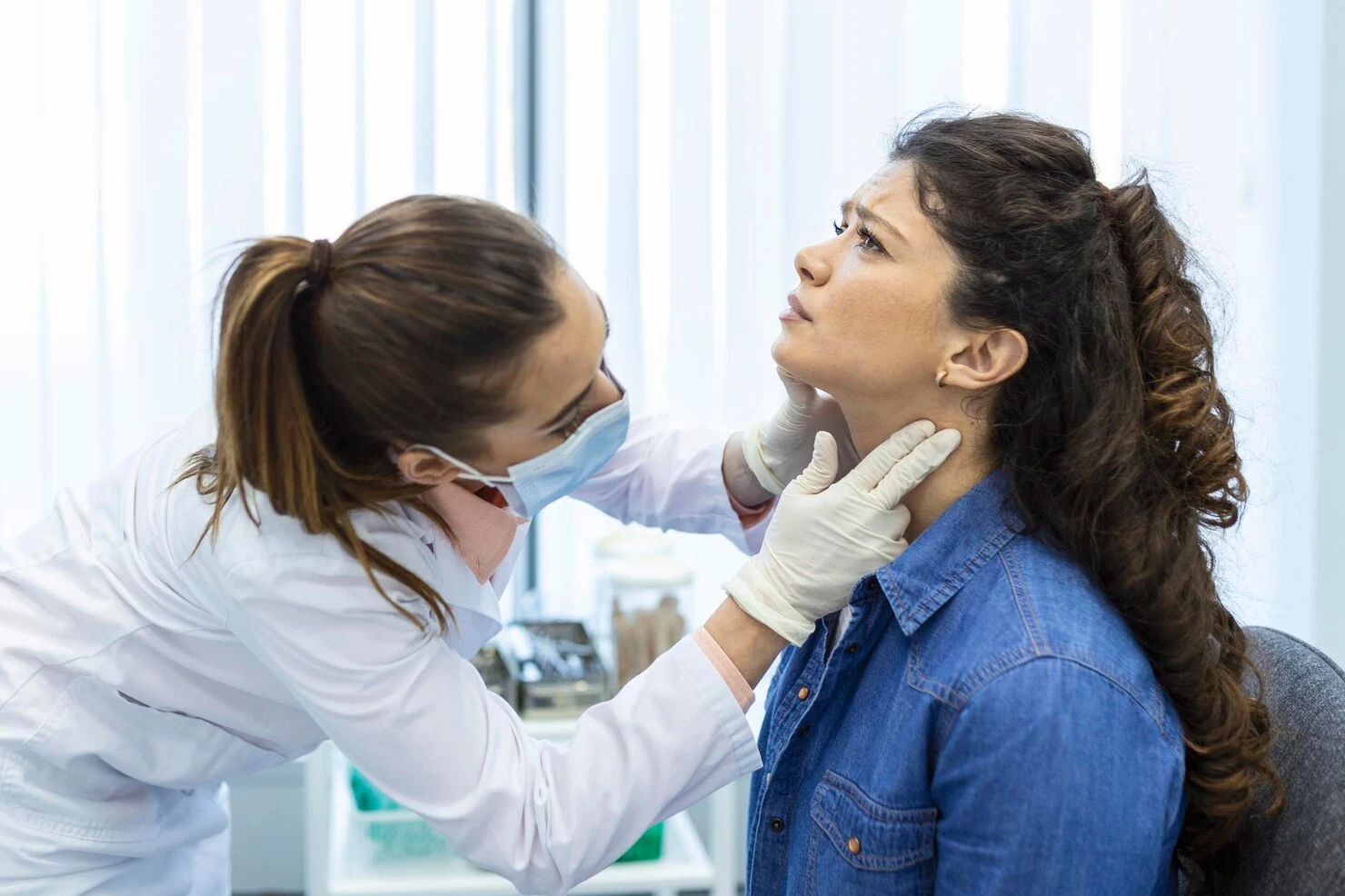
Treatment begins with an evaluation of your symptoms and oral health. At Baymeadows Park Dental, your care may include:
Reviewing your symptoms
We ask about jaw pain, stiffness, painful joint sounds, headaches, locking, and difficulty chewing.
Examining your jaw
We evaluate your jaw movement, joints, chewing muscles, and areas of tenderness.
Assessing your teeth and oral health
We look for signs of grinding, clenching, tooth wear, or other relevant dental concerns.
Using diagnostic imaging when appropriate
Dental X-rays may sometimes provide additional information, while other imaging or medical evaluation may be recommended depending on your symptoms.
Discussing conservative care
Depending on your condition, recommendations may include temporary dietary changes, heat or cold, jaw exercises, reducing clenching or other habits, or other appropriate self-care measures.
Considering an oral appliance when appropriate
A stabilization appliance or night guard may be considered for certain patients, particularly when tooth grinding or clenching is present. It should not be designed to permanently change your bite.
Referring when needed
We may recommend physical therapy, medical evaluation, or care from another appropriate healthcare professional for certain symptoms or more complex conditions.
Monitoring your progress
Follow-up visits allow us to reassess your symptoms and adjust recommendations as needed.
Most TMD care begins with conservative, reversible approaches rather than treatments that permanently change the teeth, bite, or jaw joints.
Why Choose Baymeadows Park Dental for TMJ & TMD Treatment?
Patients choose our practice for TMJ & TMD treatment in Baymeadows, FL, because we offer:
Dedicated TMJ and TMD care
Jaw joint and muscle concerns are one of our established areas of care.
More than 20 years of local care
Our practice has served Jacksonville and the First Coast area since 2004 under Dr. Franklin Rios.
A gentle approach
Our “Modern Dentistry with a Gentle Touch” philosophy reflects our focus on comfortable, non-intimidating care.
Personalized evaluation
TMD symptoms can have different causes, so we base recommendations on your individual symptoms and examination findings.
Conservative treatment
We prioritize appropriate, reversible approaches and ongoing monitoring.
Comprehensive dental care
If grinding, damaged teeth, gum concerns, or another dental condition also requires attention, we offer a broad range of dental services.
Clear communication
We explain our findings, treatment options, and when additional evaluation or referral may be appropriate.
Schedule Your TMJ & TMD Evaluation
Persistent jaw pain, stiffness, or difficulty moving your jaw deserves an appropriate evaluation. If you are looking for TMJ & TMD treatment near you, contact Baymeadows Park Dental to schedule an appointment. We can evaluate your symptoms and discuss appropriate next steps based on your individual needs.
FAQs
What causes TMD?
TMD does not have one single cause. An injury can contribute to some cases, but the exact cause is unclear for many patients. Several biological, behavioral, and other factors may play a role, which is why an individual evaluation is important.
Does jaw clicking mean I have TMD?
Not necessarily. Clicking or popping without pain is common and usually does not require treatment. Painful clicking, limited jaw movement, locking, or other symptoms should be evaluated.
Can a night guard help with TMD symptoms?
An oral appliance may be considered for some patients, particularly when grinding or clenching is present, but evidence for relieving TMD pain is limited. An appliance should not permanently change your bite, and we will determine whether one is appropriate for your situation.
Will I need surgery for TMD?
Most TMD treatment begins with conservative, reversible approaches. Surgery is generally reserved for specific severe joint problems and is not a routine first-line treatment.
How long does TMD treatment take?
There is no standard timeline. Some symptoms improve with simple conservative measures, while chronic or more complex conditions may require longer-term management or care from multiple healthcare professionals.